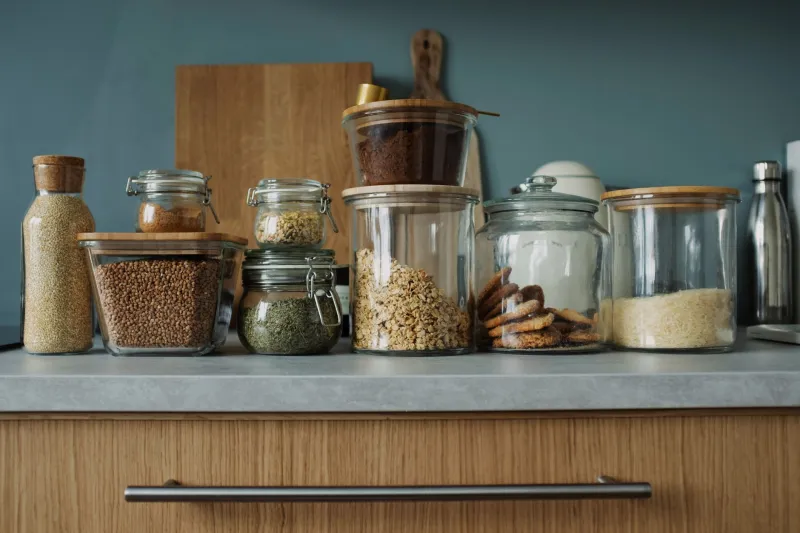
Stock Your Shelves Smarter: The Modular Pantry Method That Turns 6 Ingredients Into a Month of Dinners
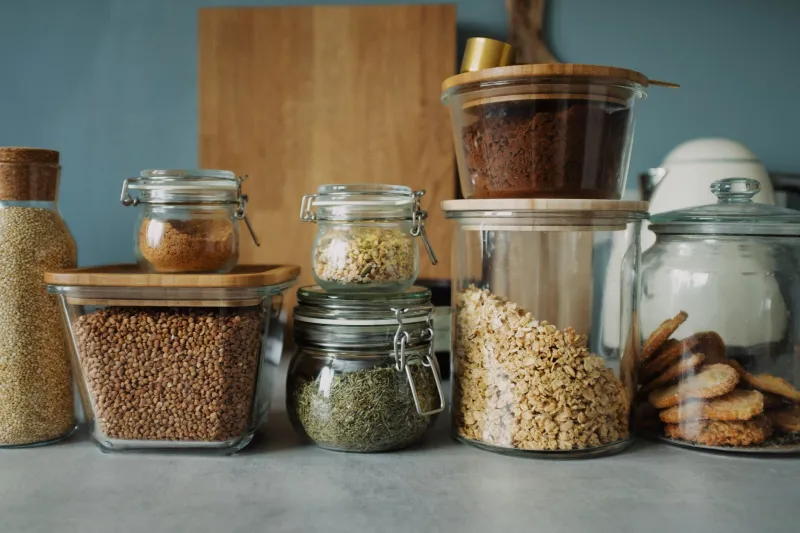
Here's a scenario that probably sounds familiar: it's Tuesday, you're exhausted, and you're standing in front of an open pantry that technically has food in it — but nothing that seems to go together. You end up ordering takeout again, and three days later you're throwing out a half-used can of coconut milk and some wilting cilantro.
The modular pantry concept fixes exactly that. Instead of stocking up for specific recipes and ending up with orphaned ingredients, you build a core collection of shelf-stable items, proteins, and produce that naturally intersect — so any combination you grab can become a real meal without a trip to the store.
This isn't about being a minimalist or a meal-prep obsessive. It's just a smarter way to think about your kitchen inventory.
What 'Modular' Actually Means in Practice
Think of your pantry like a playlist, not a setlist. A setlist is rigid — you play the songs in order, and if you skip one, the whole thing falls apart. A playlist is flexible. You can shuffle, swap, and still end up with something great.
A modular pantry works the same way. Each ingredient you stock is chosen specifically because it can appear in multiple roles across different cuisines and cooking styles. A can of white beans, for instance, can bulk up a pasta dish, get mashed into a quick spread, blend into a creamy soup, or get tossed into a grain bowl. That's four different meals from one $1.29 can.
The goal is to build a pantry where virtually nothing sits unused and every item earns its shelf space.
The Core Categories to Build Around
A well-designed modular pantry breaks down into five categories. You don't need to fill every slot at once — start with what you already have and fill in the gaps over a few shopping trips.
1. Shelf-Stable Proteins Canned chickpeas, lentils, black beans, white beans, tuna, and salmon are your workhorses. These take zero prep time and play well in everything from tacos to soups to grain bowls. Dried lentils are especially valuable because they cook in under 20 minutes and absorb whatever flavors you throw at them.
2. Whole Grains and Pasta Rice (both white and brown), farro, quinoa, orzo, and a couple of pasta shapes cover a huge range of dishes. Pro tip: keep at least one quick-cooking grain (white rice, orzo) and one heartier option (farro, brown rice) on hand at all times.
3. Canned and Jarred Vegetables Diced tomatoes, crushed tomatoes, roasted red peppers, artichoke hearts, and coconut milk are pantry MVPs. These add depth and body to dishes without requiring fresh produce.
4. Flavor Builders This is where your pantry gets its personality. Soy sauce, fish sauce, tahini, miso paste, harissa, canned chipotle peppers, and a solid hot sauce collection let you pivot from Italian to Thai to Mexican without buying a new ingredient. Keep a rotating selection of 6–8 flavor builders and swap them out seasonally.
5. Produce Anchors Certain fresh items last long enough and work across enough dishes to be considered pantry staples rather than perishables. Garlic, onions, shallots, lemons, and limes are non-negotiable. Cabbage, carrots, and sweet potatoes round out the list — all of these keep for at least a week and show up in cuisines from Korean to Southern American.
The 5-Ingredient Meal Matrix: Real Examples
Here's where it gets fun. Let's take just five core items — canned chickpeas, diced tomatoes, coconut milk, garlic, and rice — and see how many meals they can generate with minor additions.
- Chickpea coconut curry (add curry powder and spinach)
- Shakshuka-style eggs (add eggs and cumin, skip the coconut milk)
- Tomato rice soup (add broth and smoked paprika)
- Chickpea and rice bowls (add tahini and lemon for a Mediterranean spin)
- Coconut rice with spiced chickpeas (keep it simple, add cinnamon and raisins)
- Quick tomato pasta (swap rice for pasta, add parmesan)
That's six distinctly different meals from essentially the same five ingredients. Add a protein anchor like canned salmon or a bag of frozen shrimp, and you double your options again.
Your Printable Modular Pantry Checklist
Use this as a starting point — cross off what you already have and add the gaps to your next grocery list.
Proteins
- Canned chickpeas (3+ cans)
- Canned white beans or black beans (2 cans each)
- Red or green lentils (dried, 1 lb bag)
- Canned tuna or salmon (3+ cans)
Grains
- Long-grain white rice
- Brown rice or farro
- Orzo or small pasta shape
- Spaghetti or linguine
Canned/Jarred
- Diced tomatoes (4 cans)
- Crushed tomatoes (2 cans)
- Full-fat coconut milk (2 cans)
- Roasted red peppers (1 jar)
- Low-sodium broth (chicken or vegetable, 4 cartons)
Flavor Builders
- Soy sauce or tamari
- Tahini
- Harissa or chipotle in adobo
- Fish sauce
- Dijon mustard
- A favorite hot sauce
Produce Anchors
- Garlic (full head)
- Yellow onions
- Lemons and limes
- Carrots
- Cabbage (green or red)
Making It Work Long-Term
The modular pantry isn't a one-time setup — it's a living system. Every time you use something, replace it on your next grocery run. Keep a running note on your phone (or a whiteboard on the fridge) of what's running low so restocking becomes automatic rather than reactive.
Also, don't stress about having every single item on the list. Even half of these categories fully stocked puts you in a dramatically better position than a pantry full of specialty ingredients that only work in one recipe.
The biggest win? Decision fatigue drops significantly when you know that whatever you grab can become dinner. That mental freedom alone is worth the initial effort of building the system out.