That 'Healthy' Pantry You Built Is Slowly Expiring—Here's How to Fix It
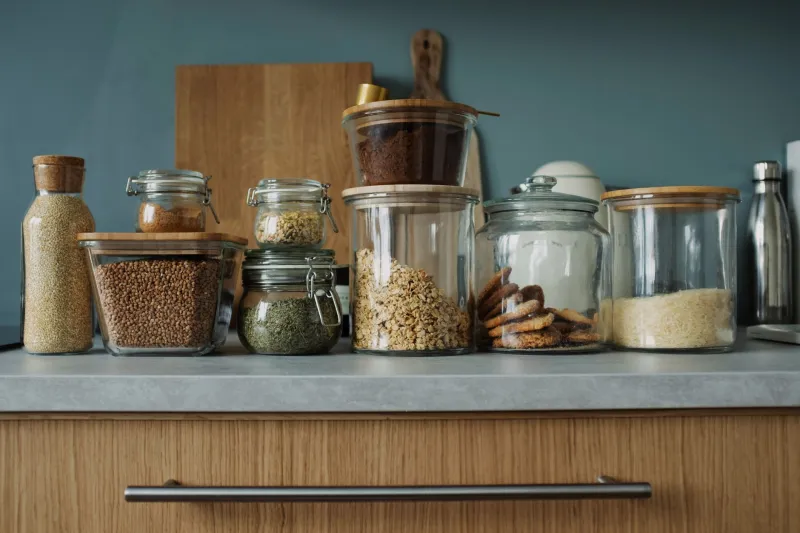
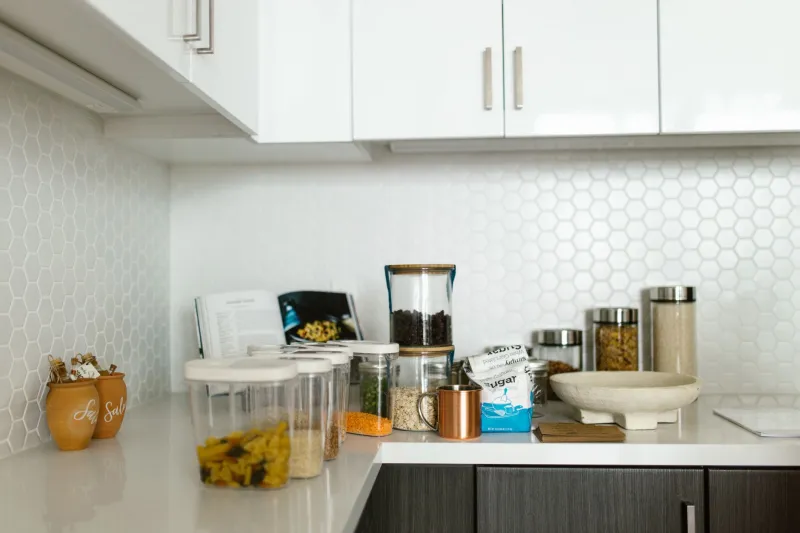
Somewhere between a wellness blog post and a Sunday afternoon at Whole Foods, a lot of us built the same pantry. There's a bag of farro that's been sitting there since January. A jar of pomegranate molasses from that one recipe. Nutritional yeast you sprinkled on two things before forgetting it existed. A half-used container of tahini that you're not totally sure is still good.
The ambition was real. So was the waste.
This isn't a lecture about buying less or eating simpler. It's a practical look at why even the most well-intentioned pantry stocking tends to backfire—and how to audit what you've got before you spend another $60 on ingredients you won't actually use.
The Gap Between Aspirational Cooking and Actual Cooking
Here's the honest problem: most people stock their pantries based on who they want to be in the kitchen, not who they are on a Tuesday at 6:30 p.m. You buy miso paste because you saw it in a recipe you loved at a restaurant. You grab freekeh because the package said it was high in fiber. You pick up a fancy cold-pressed walnut oil because it seemed like a good idea at the time.
None of these are bad purchases in theory. But if they don't connect to recipes you actually make regularly, they sit. And sitting, for a lot of these ingredients, is the worst thing that can happen to them.
The fix isn't willpower—it's alignment. Your pantry should reflect your real cooking patterns, not your ideal ones.
Ingredients That Expire Faster Than You Think
Not all pantry staples are created equal when it comes to longevity. Some can genuinely sit for years. Others have a much shorter window than the packaging implies.
Whole grain flours and ancient grains. This is a big one. Whole wheat flour, spelt flour, and similar products contain natural oils that go rancid—usually within three to six months at room temperature. That bag of almond flour you bought for a keto phase? Check the smell before you use it. Same goes for flaxseed, chia seeds, and hemp hearts, which all contain fats that degrade over time.
Specialty oils. Olive oil gets a lot of attention, but it's actually the more stable one in this category. Sesame oil, walnut oil, flaxseed oil, and other nut-based oils can turn rancid surprisingly fast—sometimes within a few months of opening. If your sesame oil smells a little off or bitter, it's past its prime.
Spices and dried herbs. These don't technically expire in a way that makes them unsafe, but they lose potency fast. Ground spices are usually best within one to two years. If your turmeric has been in the cabinet since before the pandemic, it's essentially just adding color at this point, not flavor.
Nut butters. Natural nut butters (the kind where the oil separates) have a shorter shelf life than the stabilized versions. An opened jar should really be used within a couple of months, especially if you're storing it at room temperature.
Vinegars and fermented condiments. Here's where people get surprised. While standard white or apple cider vinegar lasts almost indefinitely, specialty vinegars like balsamic, sherry, or rice wine vinegar can change in flavor and quality over time. And things like fish sauce, miso, and fermented black bean paste? They last longer than you'd expect when stored properly—but they need to actually be used to justify the cabinet space.
How to Actually Audit Your Pantry
Don't try to do this all at once on a random Wednesday. Set aside 20 minutes on a weekend, pull everything out of one section at a time, and ask yourself three questions about each item:
1. When did I last use this? If you can't remember, that's a sign. If it's been more than three months and it's not a true long-haul staple (like dried pasta or canned tomatoes), you need to either plan a recipe around it this week or let it go.
2. Does it still smell and look right? Trust your senses. Oils should smell neutral to pleasantly nutty, not sharp or paint-like. Spices should have a clear aroma when you open the jar. Grains should smell clean and dry. If something seems off, it probably is.
3. Do I cook the kinds of meals that actually use this? This is the most important question. If you don't regularly make Asian-inspired stir-fries, you probably don't need five different soy-adjacent condiments. If you're not a baker, a rotation of specialty flours is going to cost you money and shelf space without payoff.
Building a Smarter Restock List
Once you've gone through what you have, resist the urge to immediately replace everything you tossed. Instead, start from your actual meal rotation and work backward.
Write down the five to eight dinners you make most often in a given month. Then list the pantry staples those meals genuinely require. That's your core pantry. Everything outside of it should be a deliberate, recipe-specific purchase—not a standing item you always keep around.
For health-focused staples specifically, think about frequency of use before buying. Quinoa is great—but only if you're actually eating grain bowls a couple of times a week. Nutritional yeast is a solid addition if you're cooking plant-based meals regularly. Specialty vinegars are worth it if you're making a lot of salad dressings and sauces from scratch. Otherwise, they're just expensive clutter.
The Smaller Quantity Habit
One of the best adjustments you can make is simply buying less of the things you use infrequently. A lot of natural food stores and bulk sections let you buy exactly the amount you need—a quarter cup of a spice blend, a small scoop of a grain you want to try. Grocery stores like Whole Foods, Sprouts, and many co-ops have bulk bins for exactly this reason.
If you want to try cooking with millet or amaranth before committing to a two-pound bag, buy a half-cup from the bulk section. If the recipe works and you like it, add it to your regular list. If it doesn't, you've lost maybe 50 cents instead of $7.
The Pantry Should Work for You, Not Against You
A well-stocked pantry is genuinely useful. It means fewer last-minute grocery runs, faster weeknight cooking, and more flexibility when plans change. But only if what's in there actually matches how you cook.
The goal isn't a minimalist pantry or a maximalist one. It's an honest one—stocked with things you'll use before they quietly expire, and refreshed based on what's actually going on your plate this week, not what you hoped would be there six months ago.