Not Everything Belongs in Your Freezer: A Honest Guide to What Actually Reheats Well
There's a certain optimism that kicks in on a Sunday afternoon when you're batch cooking. You've got three pots going, the kitchen smells incredible, and you're mentally patting yourself on the back for being so organized. Then Wednesday rolls around, you pull that container of pasta out of the freezer, and it's a mushy, separated mess that nobody at the table wants to touch.
Here's the thing: not all meals are created equal when it comes to freezing. Some dishes come out of the freezer tasting almost identical to when you made them. Others lose everything that made them worth cooking in the first place. Knowing the difference isn't just useful—it's the whole ballgame when it comes to building a meal prep system that actually works week after week.
Let's run through the real-world breakdown.
The Freezer Champions: These Meals Were Built for This
Some dishes are practically designed to be frozen. They freeze fast, thaw evenly, and reheat without losing flavor or texture. If you're going to batch cook anything, start here.
Braises and stews are at the top of the list. Think beef chili, chicken thighs braised in tomato sauce, or a classic pot of lentil soup. The long, slow cooking that makes these dishes great also makes them incredibly resilient. The proteins are already tender, the flavors are deeply developed, and there's enough liquid in the dish to protect everything during the freeze-thaw cycle. A container of turkey chili pulled from the freezer after three weeks tastes nearly identical to day one.
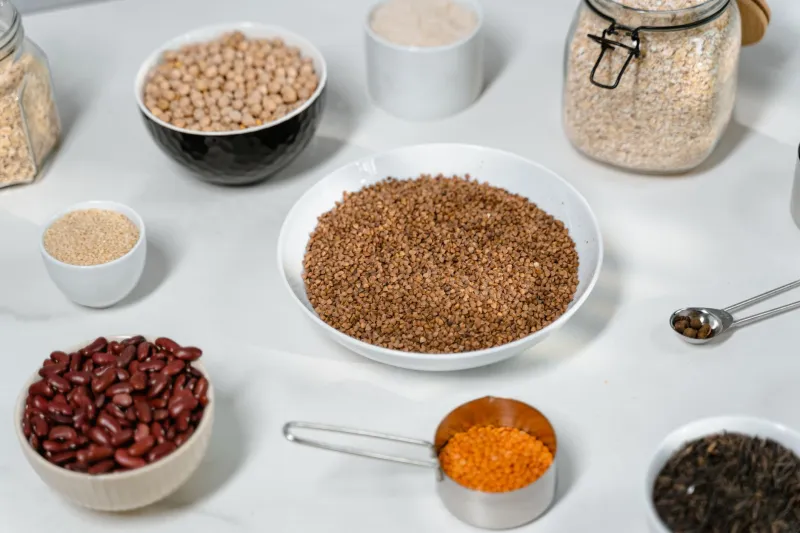
Bean and legume dishes are another slam dunk. Black beans, chickpeas, white bean soups—these freeze and reheat beautifully. The texture holds, the seasoning stays put, and they're easy to portion into individual servings. If you're not freezing a big pot of beans right now, you're leaving one of the easiest weeknight shortcuts on the table.
Ground meat sauces, like a classic Bolognese or a taco-seasoned ground turkey mixture, hold up exceptionally well. The fat content in the meat helps maintain moisture, and because the texture is already broken down, there's nothing to get mushy. These are ideal for freezing flat in zip-top bags, which means they thaw quickly and reheat in minutes.
Cooked grains—with caveats. Brown rice, farro, and barley actually freeze reasonably well when done right. The trick is spreading them out on a sheet pan to cool completely before freezing, then storing in portions. Reheated with a splash of water or broth in the microwave, they bounce back pretty well. White rice is trickier—it tends to get gummy—but it's manageable if you're mixing it into a dish rather than serving it plain.
The Freezer Casualties: What You Should Cook Fresh Instead
This is where the honest conversation gets uncomfortable, because some of the most popular meal prep choices are actually terrible freezer candidates.
Pasta dishes are the biggest offender. Cooked pasta absorbs liquid as it sits, and freezing accelerates that process dramatically. What comes out is often bloated, mushy, and texturally unpleasant. If you're dead set on freezing an Italian-style dish, freeze the sauce separately and cook fresh pasta when you're ready to eat. That extra ten minutes is absolutely worth it.
Dishes with dairy-based sauces are another problem area. Cream sauces, cheese-heavy casseroles, and anything built on a béchamel tend to separate when frozen. The fat and liquid split apart, and no amount of stirring fully brings them back together. Mac and cheese, creamy chicken dishes, and potato gratins all fall into this category. These are genuinely better made fresh or refrigerated and eaten within a few days.
Salads and anything with fresh greens—obviously. But it's worth saying plainly because people do try, and it always ends badly. Leafy greens turn to slime in the freezer. Keep these in your fridge rotation, not your freezer strategy.
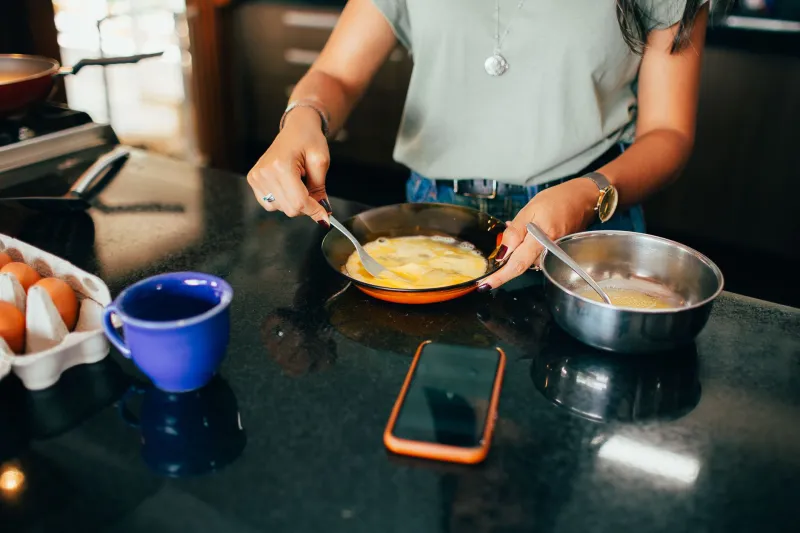
Eggs prepared in certain ways can be tricky. Scrambled eggs and frittatas get rubbery and weirdly dry after freezing. Hard-boiled eggs change texture entirely. If you're prepping breakfast, baked egg cups or breakfast burritos (with the eggs cooked into a mixture) freeze better than straight egg dishes, but even those are best consumed within a month.
Potatoes are a notorious freezer failure unless they've been fully cooked into a soup or stew. Roasted potatoes, potato salad, and mashed potatoes all turn grainy and waterlogged. The cell structure breaks down during freezing in a way that can't be reversed. Roast your potatoes fresh—it only takes about 25 minutes.
The Middle Ground: Worth Freezing With the Right Technique
Some foods aren't automatic wins or losses—they just need a smarter approach.
Fish and seafood can be frozen successfully, but the window is short and the technique matters. If you're freezing a cooked fish dish, it needs to be consumed within four to six weeks, and it should be reheated gently. Overcooking during reheating is what ruins most frozen seafood. Low heat, covered, with a bit of added moisture is the move.
Tofu is a fascinating case. Freezing actually improves tofu for certain applications. It creates a spongier, chewier texture that absorbs marinades and sauces far better than fresh tofu. If you're making a stir-fry or braised tofu dish, freeze your tofu first, then thaw and press it before cooking. It's a legitimate upgrade.
Soups with noodles or pasta already added fall into that difficult middle zone. Your best bet is to freeze the broth and any solid components separately, then add the starch when you're reheating. A chicken noodle soup frozen with the noodles already in it will give you soggy, bloated noodles. Freeze the broth and chicken, boil fresh noodles when you're ready to eat.
Building Your Freezer Strategy Around What Actually Works
Once you know which meals survive the freeze, you can build your batch cooking sessions around them intentionally. Instead of prepping everything and hoping for the best, you're making calculated decisions: braises go in the freezer, roasted vegetables stay in the fridge, pasta gets made fresh.
A practical approach is to keep two categories in your weekly planning: your "freezer builds" and your "fridge-fresh" meals. Freezer builds are the big-batch proteins, soups, and grain dishes you make in large quantities and store long-term. Fridge-fresh meals are the things you cook in smaller amounts and plan to eat within three or four days.
This two-track system takes the pressure off any single meal to do everything. Your freezer becomes a reliable backup system full of things you know will taste good—not a graveyard of optimistic experiments.
The goal isn't to freeze everything. It's to freeze the right things, cook the rest fresh, and actually enjoy what you eat at the end of a long day. That's a system worth building.