One Swap, Endless Variety: The Single Ingredient Trick That Refreshes Your Whole Rotation
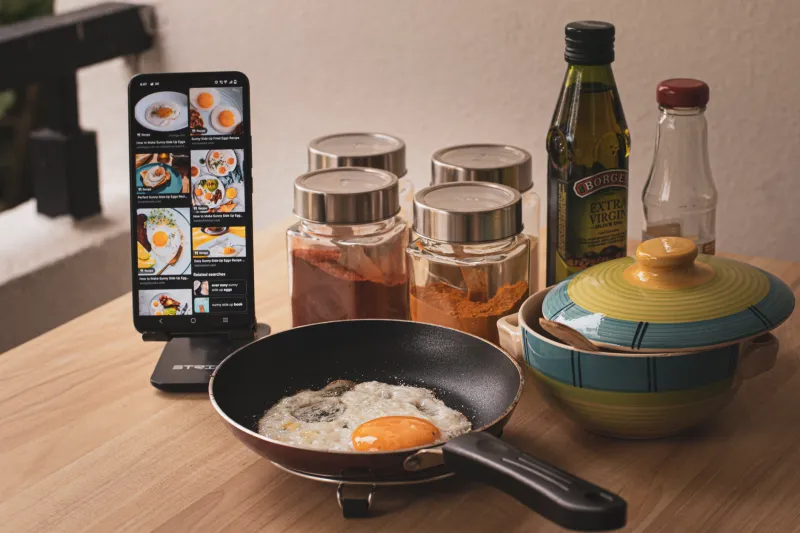
Here's a scenario that probably sounds familiar: Sunday rolls around, you open your meal planning app (or that crumpled sticky note on the fridge), and you stare at the same rotation of dinners you've been cycling through for months. So you do what feels logical—you go hunting for seven new recipes. An hour later, you've got a browser full of tabs, a grocery list that looks like a scavenger hunt, and somehow, less motivation than when you started.
The urge to maximize variety is totally understandable. But the solution most of us reach for—more recipes, more ingredients, more decisions—is actually the thing making weeknight cooking feel harder. There's a better move, and it involves changing a lot less than you'd think.
Why More Recipes Isn't the Answer
When meals start feeling repetitive, the instinct is to introduce novelty at the biggest level: a whole new dish. But new dishes come with new shopping lists, new techniques, and new risks of a Tuesday-night dinner fail that leaves everyone eating cereal. The cognitive load is real, and for busy households, it's often what quietly kills the meal planning habit altogether.
What actually creates the feeling of variety isn't always a completely different meal—it's a meaningfully different flavor experience. And you can engineer that without blowing up your entire system.
The trick is finding what we'd call a pivot ingredient: one swappable component that sits at the flavor center of a dish and, when changed, shifts the whole personality of the meal.
What Makes a Good Pivot Ingredient
Not every ingredient has this kind of leverage. A pivot ingredient needs to do a few things well:
- It carries flavor broadly. Think acids, fats, spice blends, or aromatics—things that touch a lot of the dish rather than sitting in one corner of it.
- It's easy to swap without changing your technique. You're not relearning how to cook anything. You're just reaching for a different bottle or jar.
- It's versatile across multiple recipes in your rotation. The more dishes it appears in, the more mileage you get from a single swap.
Some of the best pivot ingredients are things you probably already have:
Vinegar is one of the most underrated. Swap red wine vinegar for rice vinegar in a quick marinade and your chicken thighs suddenly feel like they belong in a completely different cuisine. Use apple cider vinegar instead of white wine vinegar in a pan sauce and the whole thing shifts toward something warmer and more autumnal. You're using the same amount, the same technique—but the flavor story is different.
Citrus juice and zest work the same way. Lemon, lime, and orange each have distinct personalities. A grain bowl dressed with lime and cilantro reads totally different from the same bowl finished with lemon and parsley. Same structure, new experience.
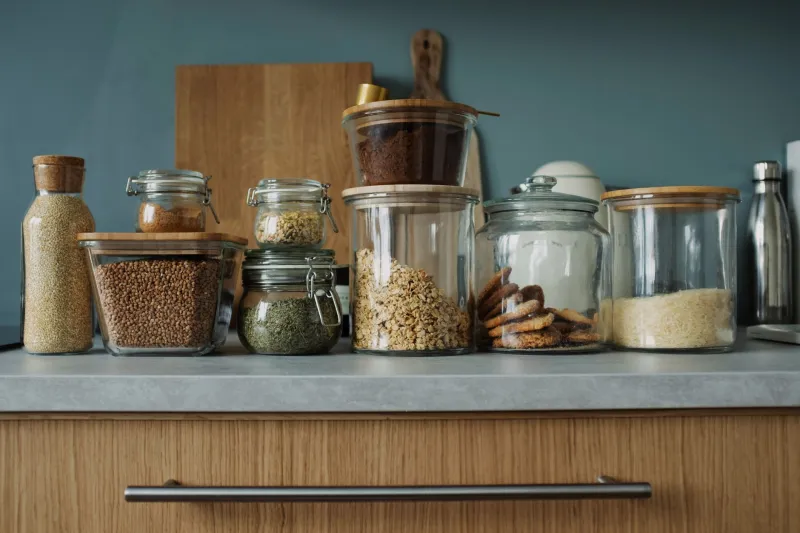
Spice blends are arguably the highest-leverage swap of all. Keep three or four distinct blends in rotation—something smoky (like a chipotle-cumin mix), something bright and herby (like za'atar or an Italian blend), something warm and earthy (like garam masala or ras el hanout)—and you can run the same roasted vegetables through a completely different flavor profile every week without changing anything else about how you cook them.
Finishing oils are quieter but effective. A drizzle of toasted sesame oil versus a good extra virgin olive oil versus a chili oil lands very differently on the same bowl of noodles or roasted cauliflower.
How to Build Your Swap System
The goal isn't to memorize a bunch of substitution rules. It's to build a small, intentional collection of pivot ingredients that you actually keep stocked—and then let them do the work.
Start by looking at three or four dinners you already make on the regular. Pick one that you could see going in two or three different flavor directions. Then ask: what's the one ingredient doing the most flavor work? That's your pivot point.
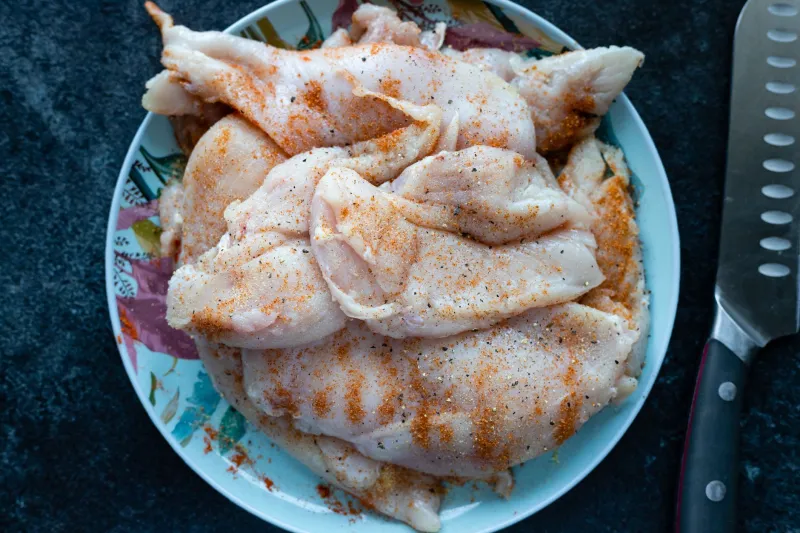
For a lot of weeknight proteins—chicken, salmon, tofu, pork tenderloin—the marinade or sauce is the pivot point. You can keep your cooking method identical (sheet pan, skillet, grill) and just rotate through three different acid-fat-spice combinations. Suddenly that's not one chicken dish, it's three.
For grain bowls and salads, the dressing is almost always the pivot. For soups and stews, it might be the finishing herb or the type of canned tomato (crushed vs. fire-roasted changes things more than you'd expect). For pasta, it could be the fat—butter versus olive oil versus brown butter—or the cheese.
The Mental Load Advantage
Here's what this approach does that a seven-recipe overhaul doesn't: it keeps your grocery list manageable and your kitchen familiar.
When you're working within a known structure—same proteins, same cooking methods, same general process—dinner on a Wednesday night doesn't require re-reading a recipe three times or wondering whether you're doing it right. You're in known territory, just with a different flavor destination. That confidence matters, especially on the nights when you're tired and the last thing you want is an adventure.
And because your pivot ingredients are small and shelf-stable (most vinegars, oils, and spice blends keep for a long time), you can stock several options without worrying about waste. A bottle of sherry vinegar and a jar of harissa paste take up almost no space but give you enormous reach across your rotation.
Start Small, Then Expand
If this feels abstract, try a one-week experiment. Pick one dinner you make all the time—something solid and reliable. Now commit to making it three times this month, but each time, swap one ingredient at the flavor center. Different vinegar. Different spice blend. Different finishing element.
Keep a quick note on how each version landed. What you'll likely find is that by the third iteration, you've essentially got three different recipes in your head—and you built them all from something you already knew how to cook.
That's the whole idea. You're not abandoning your rotation. You're deepening it. And a deeper rotation, it turns out, feels a lot less repetitive than a wider one.
The maximize-variety mindset tells you to keep adding. The smarter move is to keep pivoting—and let one well-chosen swap do the work of a whole menu rewrite.