Your Weeknight Dinners Aren't Boring—Your Finishing Moves Are
Here's something most busy cooks don't want to hear: the problem usually isn't the recipe. It's the last 60 seconds.
You followed the instructions. You used decent ingredients. You cooked the chicken through, simmered the sauce, tasted as you went. And yet somehow, dinner lands on the table and everyone's just... fine with it. Nobody's excited. Nobody's asking for seconds. The food is perfectly adequate and completely unmemorable.
That gap between "fine" and "actually good" doesn't come from spending more time in the kitchen. It comes from understanding a few small moves that professional cooks make almost automatically—things that take seconds but change everything about how a dish tastes and feels.
Let's break down what's actually going on and how to fix it without overhauling your routine.
The Real Reason Easy Recipes Fall Flat
When you're cooking under time pressure—which is basically every weeknight—you tend to make safe choices. Familiar seasonings. Predictable combinations. You're not experimenting; you're executing. And that's totally reasonable. But safe choices have a side effect: they produce food that tastes exactly like what it is. Competent. Correct. Forgettable.
The issue isn't complexity. Most restaurant dishes aren't dramatically more complicated than what you make at home. The difference is that professional kitchens build in layers—usually through acid, heat timing, and texture—that home cooks skip because they don't realize how much those layers matter.
Think of flavor like a photograph. You can take a technically correct photo that's still flat and dull. Or you can adjust the contrast, the highlights, the depth—same scene, completely different impact. These techniques are your contrast adjustments.
Acid: The Most Underused Tool in Your Kitchen
If your food tastes like something is missing but you can't figure out what, there's a strong chance it needs acid. A squeeze of lemon, a splash of vinegar, a spoonful of plain yogurt stirred in at the end—these don't make food taste sour. They make it taste more like itself.
Acid brightens. It lifts flavors that have gone muddy from heat and makes individual ingredients more distinct. A chicken stir-fry without any acid tastes like a warm, savory blur. Add a splash of rice vinegar right before you plate it and suddenly you can actually taste the ginger, the garlic, the soy.
The key word is timing. Acid added early in cooking mostly cooks off and loses its punch. Acid added at the end—after the heat is off or right before serving—keeps its brightness. This is why a squeeze of lime over tacos hits differently than lime juice that got simmered into the meat for twenty minutes.
Keep a few acid sources on your counter or close at hand: a lemon, a bottle of red wine vinegar, some hot sauce, a container of plain Greek yogurt. You don't need all of them every night. You just need to remember to reach for one.
Heat Timing Changes Everything
Here's a common weeknight scenario: you sauté onions and garlic, add everything else to the pan, and cook it all together until done. Totally reasonable approach. But when garlic and onion never get a real chance to develop before other ingredients crowd the pan, they stay sharp and raw-tasting instead of sweet and deep.
Giving aromatics even two extra minutes alone in the pan before adding anything else makes a noticeable difference. Let the onion go translucent. Let the garlic get golden at the edges. That's where the flavor lives.
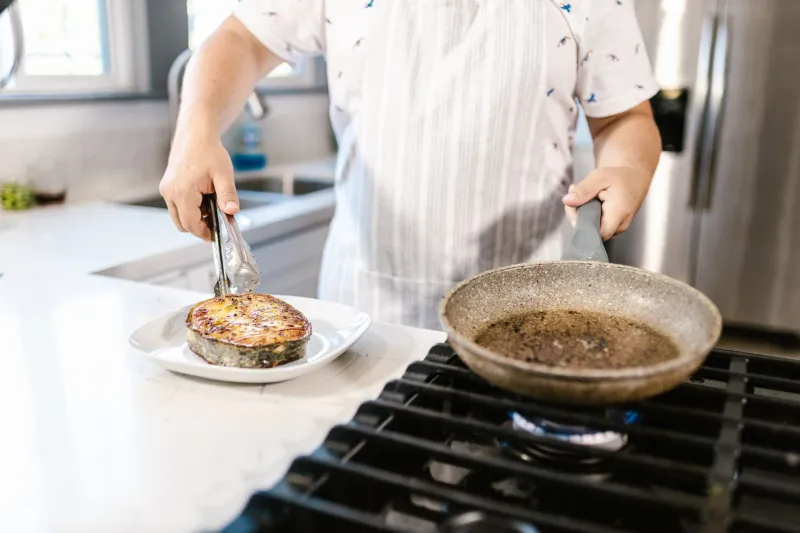
The same logic applies to proteins. A chicken breast that gets pulled from a hot pan straight to a cutting board and immediately sliced loses a significant amount of its juice on the board rather than inside the meat. Resting it for even three or four minutes—while you plate everything else—keeps it noticeably juicier. You're not adding time to your evening. You're just using the time you already have more strategically.
And don't forget the fond. That brown stuff stuck to the bottom of the pan after you've cooked meat? That's concentrated flavor. A splash of broth, wine, or even water scraped up with a wooden spoon while the pan is still hot turns it into an instant pan sauce. Takes about 90 seconds and makes your meal taste like you actually tried.
The Texture Problem Nobody Talks About
Flavor is only part of why food feels satisfying. Texture plays a massive role in whether a meal feels crave-worthy or just... filling. Most weeknight dinners—especially ones built around sauces, soups, or sheet pan situations—tend toward soft. Everything is cooked through, tender, uniform. And uniform texture, even when the flavor is good, gets boring fast.
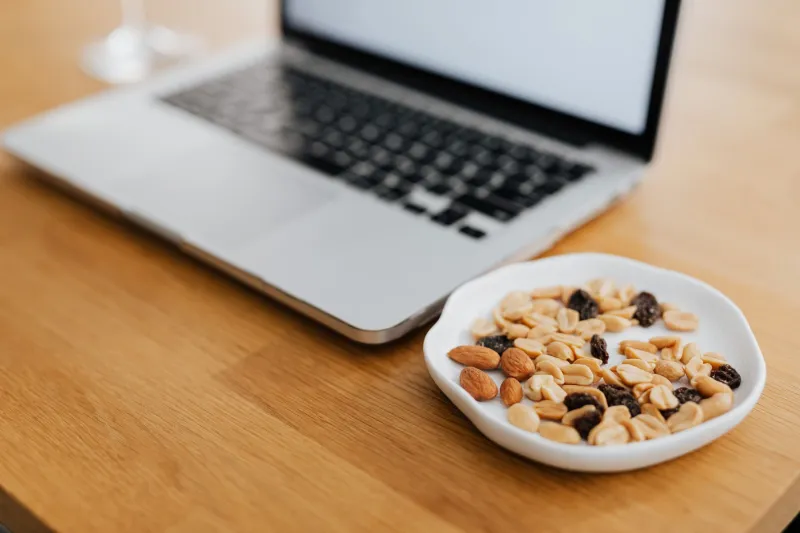
The fix is contrast, and it doesn't have to be elaborate. A handful of toasted nuts or seeds over a grain bowl. A few torn croutons on top of a creamy soup. Thinly sliced raw scallions over a braised dish. Crispy chickpeas from a can you roasted on a sheet pan last Sunday. Even a drizzle of good olive oil over something warm creates a richness that breaks up monotony.
You're not redesigning the recipe. You're adding one thing on top at the end. That's it.
Build the Habit, Not the Complexity
None of this requires a longer grocery list or a more elaborate cooking process. What it requires is a small mental shift: instead of thinking "is this cooked?" as your finish line, add one more question: "what does this need right now?"
Most of the time, the answer is one of three things. A hit of acid. A moment of restraint with the heat. Something crunchy on top.
Once you start noticing, it becomes automatic. You'll find yourself reaching for the lemon without thinking about it. You'll let the pan get properly hot before adding the garlic. You'll keep a jar of toasted pepitas in the cabinet because you've learned what they do to a Tuesday night taco bowl.
That's the real upgrade—not a new recipe, not a new appliance, not a longer grocery run. Just a sharper eye for the last few seconds of cooking, where most of the flavor actually gets made.
Your weeknight meals are closer to genuinely good than you probably think. They just need a better ending.