The Solo Diner's Secret Weapon: Borrowing Family Cooking Tricks to Eat Better All Week
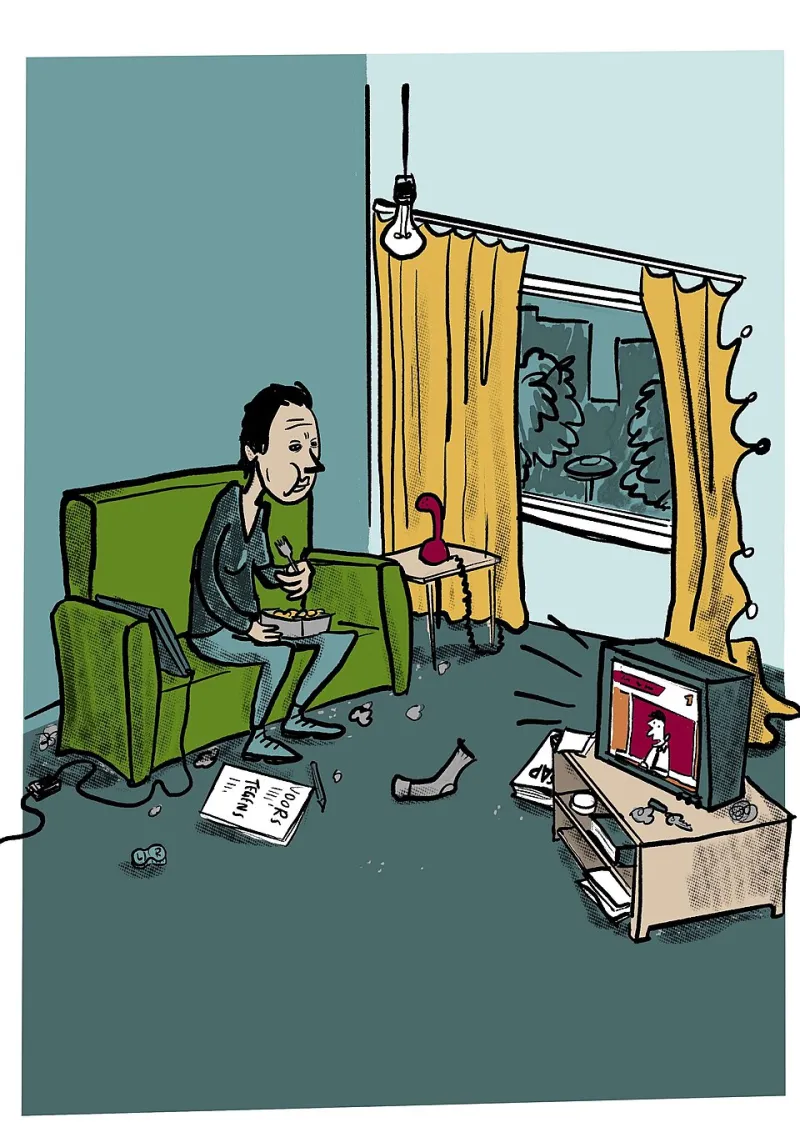
Photo: Daniel Hentschel, CC BY 4.0, via Wikimedia Commons
Most meal planning content is quietly written for a household of at least two. The serving sizes assume it. The batch cooking advice assumes it. Even the grocery lists assume someone is splitting a rotisserie chicken with another adult human being.
If you're cooking for one, you've probably learned to mentally halve everything and hope for the best. But here's the thing: the underlying logic of family meal planning—cook strategically, repurpose intentionally, reduce daily decisions—applies to solo cooking just as well. Maybe better. Because when you're only accountable to yourself, you have a flexibility that families can only dream about.
The Waste Fear Is Holding You Back
The number one reason solo cooks avoid making larger portions is fear of waste. Buy a bunch of kale, use two leaves, watch the rest go limp. Cook a full pot of lentils, eat them twice, stare at the rest until they go bad. It's a familiar cycle, and it makes people shy away from the very cooking strategies that would actually save them time and money.
But the waste problem isn't a quantity problem—it's a transformation problem. Families don't eat the same leftovers twice either. They repurpose them. The roast chicken becomes tacos becomes soup. The roasted vegetables go from a side dish to a grain bowl to a pasta mix-in. The trick isn't making less food. It's getting better at changing what the food is between meals.
For solo cooks, this is actually easier. You only have to please one palate. There's no negotiating with a partner who doesn't want last night's salmon in their lunch wrap.
Cook a Component, Not a Meal
Family meal planners have quietly figured out something that solo cooks rarely hear: the most useful thing you can batch-cook isn't a complete dish. It's a component.
A pot of cooked farro. A sheet pan of roasted sweet potatoes. A batch of seasoned ground beef. These aren't meals—they're building blocks. And when you have two or three of them ready in your fridge, assembling dinner goes from a cooking project to a five-minute assembly job.
For one person, this approach is even more practical. You don't need to cook massive quantities. A single cup of dry farro yields enough cooked grain for three or four solo meals. Half a pound of ground meat covers two or three dinners. A small sheet pan of vegetables stretches across a week's worth of lunches and dinners when it's showing up in different contexts.
The goal is variety without redundancy. Same ingredient, different dish—every time.
The Transformation Rule
Here's a simple framework that makes leftover cooking feel less like punishment: every ingredient should be able to appear in at least three different forms before it leaves your kitchen.
Take a chicken breast. Night one: sliced over a simple salad with whatever dressing you have. Night two: shredded into a quesadilla with cheese and pickled jalapeños. Night three: chopped into a broth with noodles and a soft-boiled egg. Three completely different eating experiences from one piece of protein that you cooked once.
This isn't about being clever or resourceful in some aspirational way. It's about giving yourself permission to cook more than you need in a single session, knowing that the extra work you're doing now is buying you future meals that require almost no effort.
Scaling Down Without Scaling Out the Strategy
One of the biggest mistakes solo cooks make is treating every recipe as a single-serving project. They buy exactly what they need for one meal, cook it, eat it, and start from zero the next night. This is exhausting and expensive.
Instead, think about buying in slightly larger quantities—not bulk-warehouse quantities, just one level up from what you'd normally grab. A pound of ground turkey instead of a half-pound. Four chicken thighs instead of two. A full head of cabbage instead of a bag of pre-shredded. The extra cost is minimal, and the payoff in time saved over the rest of the week is significant.
The key is planning the transformation before you cook, not after. When you know the ground turkey is going to be taco filling tonight and a rice bowl topping tomorrow, you season and cook it accordingly—lightly enough that it works in both contexts, or in two separate batches if the flavors need to diverge.
Your Freezer Is Your Second Fridge
Families use the freezer as overflow storage. Solo cooks should use it as a deliberate tool.
When you make a bigger batch of something—soup, chili, grain bowls, marinated proteins—portion out one or two servings and freeze them immediately, before you've even eaten the first meal. You're not making leftovers. You're making future dinners that your future self will be genuinely grateful for.
This reframe matters. "Leftovers" feel like settling. "Future meals you made in advance" feel like being organized. Same food, completely different psychological relationship with it.
You Don't Need a Family to Eat Like One
The most liberating thing about solo meal planning is that you can be entirely selfish about it. You get to choose what you like, cook what you want, and repurpose things exactly the way you prefer—no compromises, no negotiations, no picky eaters.
Family-style meal planning strategies didn't develop because families are smarter about food. They developed because people who cook for multiple people had to get efficient. You can choose that efficiency voluntarily, and reap all the same benefits: less time cooking each night, less money spent on groceries, and a fridge that actually gets used before anything goes bad.
Cooking for one doesn't mean cooking small. It means cooking smart.