Why Every Delivery Order Is Making Your Next Home-Cooked Meal Harder

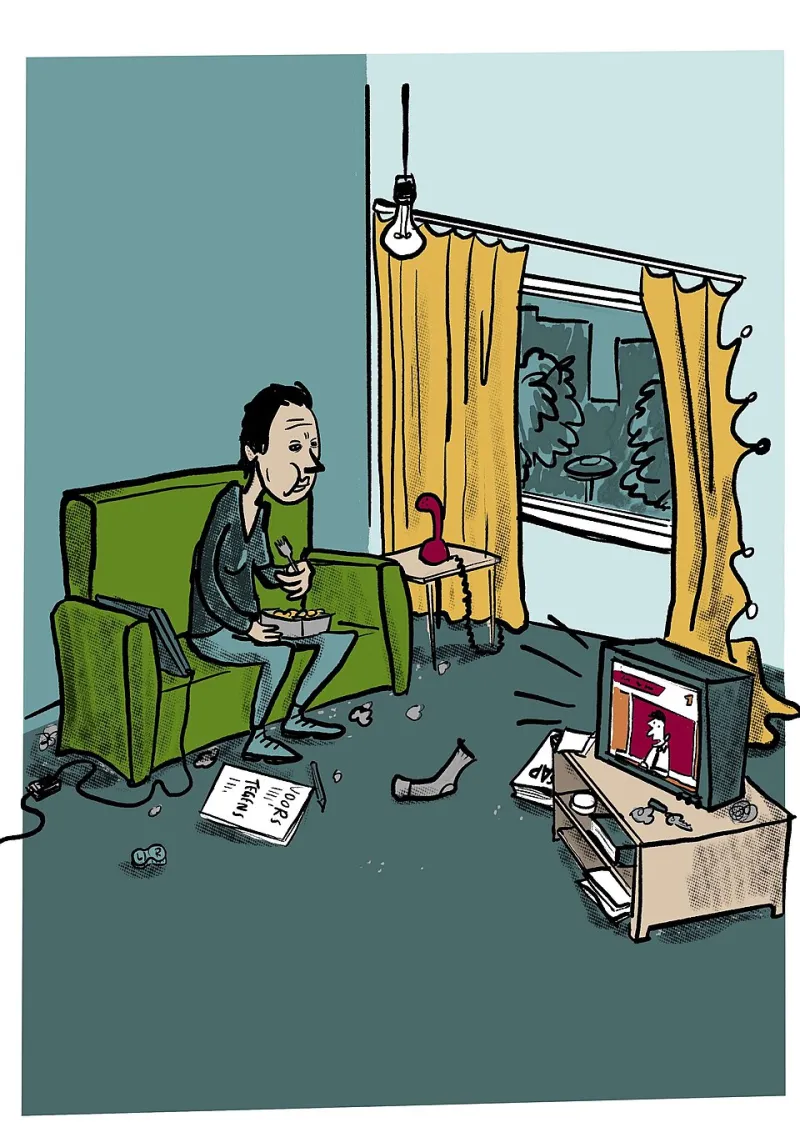
Photo: Photograph by Mike Peel (www.mikepeel.net)., CC BY-SA 4.0, via Wikimedia Commons
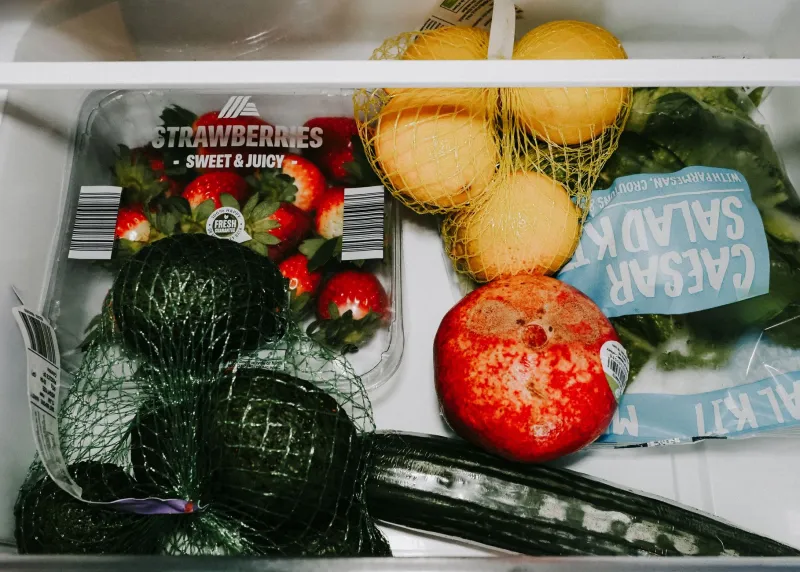
The chicken thighs are in the fridge. The garlic is on the counter. You even remembered to thaw something last night, which—let's be honest—almost never happens. And yet, somehow, it's 6:45 on a Wednesday and you're scrolling through delivery options like the ingredients don't exist.
This isn't a willpower problem. It's a momentum problem. And once you understand how delivery apps quietly chip away at your cooking habit, it becomes a lot easier to fight back.
The Real Cost Isn't the $4 Delivery Fee
Most people frame the delivery-versus-cooking debate around money. Yes, a $22 bowl of noodles costs more than making it at home. But the sneakier cost is psychological, and it compounds.
Every time you choose delivery over a fridge full of groceries, you're reinforcing a mental association: cooking is the hard option. Delivery is relief. Your brain is extraordinarily good at learning from repetition, which means a few weeks of defaulting to apps can quietly rewire how you feel about stepping into your own kitchen.
The result? Even on nights when cooking would take thirty minutes, it feels like a two-hour project. That perception gap—not the actual effort—is what keeps people stuck.
Decision Fatigue Is Doing the Heavy Lifting Here
Here's something food media rarely talks about: by the time most busy professionals get home, they've already made hundreds of decisions. What to say in that email. Whether to push the meeting. Which report to finish first. The mental bandwidth that cooking requires—even simple cooking—is genuinely depleted by evening.
Delivery apps are specifically designed to exploit this. They offer curated recommendations, saved orders, and one-tap reordering precisely because frictionless decisions feel good when your brain is tired. Home cooking, by contrast, requires you to assess what you have, figure out what to make, and execute a sequence of steps. Even if that sequence takes 25 minutes, the mental overhead of initiating it can feel insurmountable.
The fix isn't to push harder. It's to remove the decision load from cooking itself.
Make Home Cooking the Easy Answer, Not the Virtuous One
Framing cooking as the "right" choice is a trap. The moment dinner becomes a moral exercise, you've already lost. What actually works is making home-cooked meals feel at least as effortless to start as opening an app.
That means doing a few things differently:
Keep a short, committed list of no-decision dinners. These are three to five meals you know by heart—no recipe needed, no unfamiliar ingredients. Sheet pan sausage and vegetables. Eggs over rice with hot sauce. Pasta with canned tomatoes and whatever's in the pantry. These aren't exciting. They're not supposed to be. They're your fallback when your brain is running on fumes, and they are infinitely better than a $30 delivery minimum.
Treat Tuesday like it's Friday. One of the reasons delivery spikes mid-week is that people unconsciously save their "good" cooking energy for the weekend. But Tuesday is when you actually need the momentum. Making one slightly-above-average weeknight meal mid-week—something that feels a little satisfying, not just functional—does more for your cooking habit than any elaborate Sunday prep session.
Pre-decide before you're hungry. The worst time to figure out what's for dinner is when you're already hungry and tired. A quick 90-second check-in at lunch—just glancing at what's in the fridge and picking one thing to make—eliminates the evening decision entirely. You're not meal planning. You're just removing the moment of paralysis before it happens.
Stop Competing With the Restaurant Version
Another subtle way delivery undermines home cooking: it sets an unfair benchmark. After enough nights of restaurant-quality pad Thai or perfectly sauced birria tacos, a simple weeknight stir-fry can start to feel inadequate. You're not just cooking against your hunger—you're cooking against a professional kitchen.
The solution is to stop comparing categories. Restaurant food and home food serve different purposes. One is an experience. The other is sustenance, comfort, and—when it's working—a quiet act of taking care of yourself. A bowl of well-seasoned ground turkey over rice with a fried egg on top isn't competing with anything. It's just dinner, and dinner doesn't have to win a competition.
Build the Habit Before You Need It
The best time to strengthen your home cooking habit is not on a stressful Wednesday. It's on a relaxed Saturday when you have the bandwidth to enjoy the process a little. Make something slightly ambitious. Take your time. Let cooking feel like something other than a chore.
That positive association—built when the stakes are low—is what you'll draw on when the week gets hard. Habits don't form under pressure. They form during the easy moments, and then they carry you through the hard ones.
Delivery isn't the enemy. There are nights when ordering in is genuinely the right call, and nobody needs to feel guilty about that. But when it becomes the default rather than the exception, it slowly makes your kitchen feel foreign. And the longer that goes on, the harder it gets to come back.
Your ingredients are still in the fridge. They'll be there tomorrow, too. The goal isn't perfection—it's just making sure you cook more nights than you don't.