Design Your Dinner for Tomorrow's Lunch — Not the Other Way Around
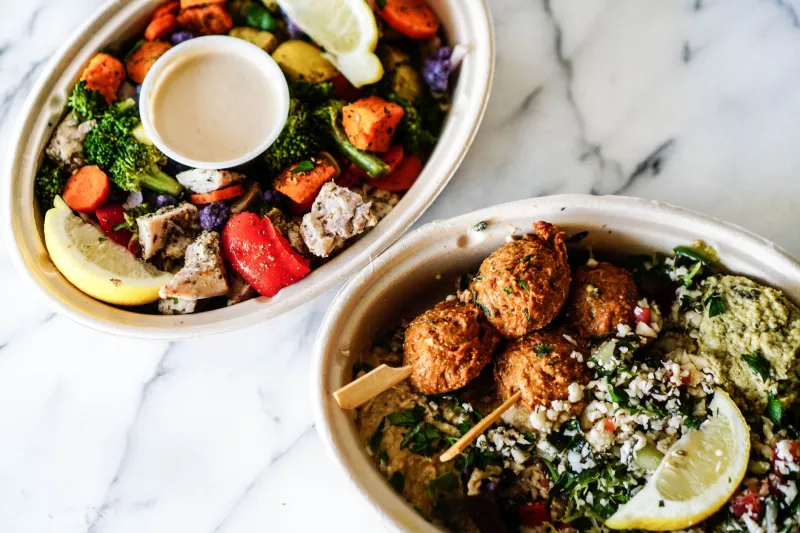
Here's a scenario that probably sounds familiar. You make a solid dinner on Monday — roasted salmon, some kind of grain, a vegetable situation. You feel good about it. You pack the leftovers into a container, stick it in the fridge, and congratulate yourself on being an organized adult.
Tuesday at noon, you open that container at your desk. The salmon is kind of rubbery. The grain is gummy. The vegetables have gone soft and a little sad. You eat it anyway, because you're hungry and it's there, but it doesn't feel like a meal — it feels like a chore.
And here's what nobody talks about: that disappointing lunch is quietly undermining your dinner motivation for the rest of the week. Because some part of your brain has now associated "cooking dinner" with "eating mediocre food twice." And that association is hard to shake.
The Real Problem With Leftover Logic
The conventional wisdom around leftovers is pretty simple: cook extra at dinner, eat it for lunch. And in theory, that's great advice. In practice, it breaks down for one very specific reason — most dinner recipes are designed to be eaten fresh, not reheated and repurposed 18 hours later.
Saucy braises reheat beautifully. Roasted proteins can go either way. Crispy things lose their texture immediately. Anything delicate — flaky fish, lightly dressed salads, eggs — degrades fast. When you pack last night's dinner directly into a container without thinking about how it'll behave the next day, you're not setting yourself up for a good lunch. You're setting yourself up for a disappointing one.
The problem isn't leftovers. The problem is backward design. Most cooks plan dinner first and treat lunch as whatever survives. Flip that order, and everything changes.
What Backward Design Actually Looks Like
Instead of asking "what should I make for dinner?" try asking "what do I actually want to eat for lunch tomorrow — and what dinner would naturally produce that?"
This isn't complicated, but it does require a small mental shift. You're essentially designing two meals at once, with the lunch experience as the anchor.
Let's say you know you're eating at your desk tomorrow and you want something that travels well, doesn't require reheating (because the office microwave situation is grim), and actually tastes good cold. Work backward: what dinner produces that lunch?
- A grain salad with roasted vegetables and chickpeas holds up beautifully at room temp. Make extra at dinner, pack it cold for lunch.
- Sliced steak or grilled chicken thighs served warm at dinner? Slice the remainder thin, refrigerate, and pack into a wrap or over greens the next day. Cold sliced protein is often better than reheated protein.
- A bean and vegetable soup that improves overnight? That's a dinner and a lunch — and it gets better in the fridge, not worse.
Notice what's not on that list: delicate pan sauces, crispy-skin fish, anything that relies on textural contrast to be good. Those are great dinners. They're bad leftovers. And when you know that going in, you can make the call consciously instead of being surprised every Tuesday at noon.
Matching Dinner Recipes to Leftover Formats
One of the most useful things you can do is start categorizing your go-to dinners by how they behave as leftovers. Not every meal needs to pull double duty — but the ones that do should be chosen intentionally.
Dinners that make excellent next-day lunches:
- Grain bowls (especially with components stored separately)
- Braised meats and stews
- Roasted vegetable and legume combinations
- Frittatas and egg-based dishes
- Pasta with hearty, oil-based sauces (not cream-based — those separate)
- Chili, lentil soup, minestrone
Dinners that are best eaten the night of:
- Pan-seared fish with crispy skin
- Stir-fries (texture degrades quickly)
- Anything with fresh-dressed greens
- Creamy pasta dishes
- Anything that relies on a hot, just-made sauce for flavor
Once you have that mental map, you can match your dinner choices to your lunch needs for the week. If Tuesday is a busy desk-lunch day, Monday night should be a "good leftover" dinner. If Thursday you're working from home and can actually cook something fresh, Wednesday's dinner can be whatever you want without worrying about leftovers at all.
The Intentionality Factor
There's a psychological element here that's worth naming. When lunch feels like an afterthought — like yesterday's dinner scraps warmed up in a break room — it affects how you feel about cooking overall. It erodes the sense of effort and care that makes home cooking feel worthwhile.
But when your lunch feels designed — when you open that container and think, "yeah, this was always going to be lunch, and it's actually good" — the whole system starts to feel different. You're not eating leftovers. You're eating the second meal you planned.
That's a small distinction with a surprisingly large impact on motivation. Cooks who feel good about their food system keep cooking. Cooks who feel like they're managing food waste get tired and order takeout.
A Simple Weekly Practice
You don't need to overhaul anything. Just add one question to your weekly planning routine: for each dinner this week, what's the lunch plan?
Some nights won't have one — and that's fine. But two or three intentional "dinner-to-lunch" meals per week can dramatically reduce the amount of midday decision-making you're doing, cut your food waste, and make both meals feel more like something you chose rather than something that happened to you.
Design your dinners for tomorrow. Your future self will thank you at noon.