Three Parts, Endless Plates: The Dinner Formula That Ends Decision Fatigue for Good
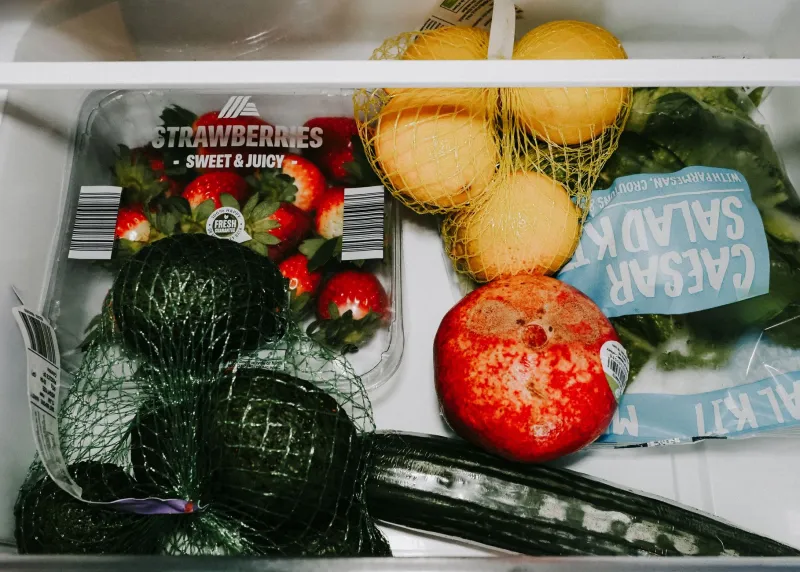
There's a moment most weeknight cooks know well. It's 6:15 p.m., you're staring into a fridge that is technically full of food, and somehow nothing is presenting itself as dinner. Not because you lack ingredients — you've got plenty. It's because you're trying to reverse-engineer a meal out of components that don't obviously belong together.
The fix isn't more recipes. It's a formula.
The modular dinner approach breaks every meal into three distinct layers: a base, a sauce, and a topping. Master those three categories — even loosely — and you stop cooking recipes. You start assembling meals. The difference is enormous, especially on a Tuesday when your brain has already made approximately 35,000 decisions before you stepped into the kitchen.
What the Three Components Actually Mean
Let's get specific, because "base, sauce, topping" sounds abstract until you see it in action.
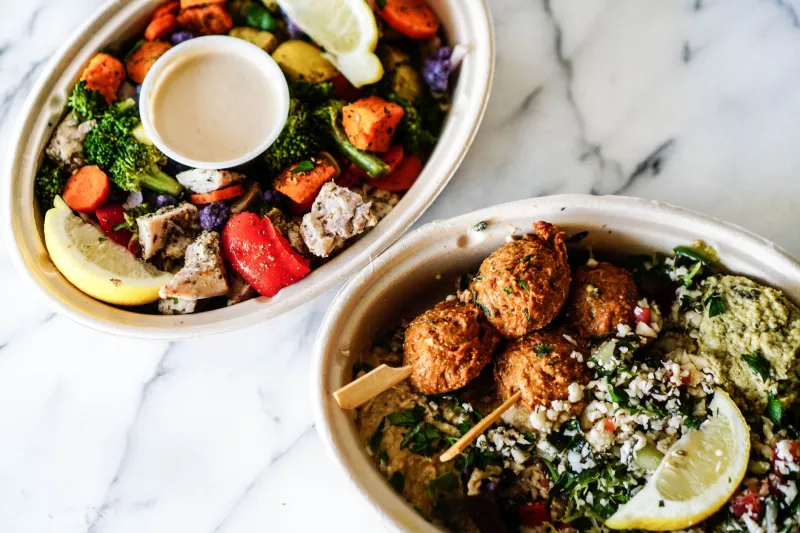
The base is your anchor. This is the most filling, most substantial element of the plate. It can be a grain (brown rice, farro, quinoa, couscous), a starch (roasted potatoes, pasta, polenta), or a vegetable foundation (roasted cauliflower, sautéed greens, zucchini noodles if that's your thing). Protein fits here too — grilled chicken thighs, pan-seared salmon, a fried egg, canned chickpeas. Often your base is two things: a grain and a protein sitting side by side.
The sauce is where the flavor identity lives. This is the component that tells your taste buds what country or cuisine they're visiting tonight. A tahini-lemon drizzle feels Middle Eastern. A ginger-soy glaze says East Asia. A spicy harissa yogurt reads North African. Chipotle crema says Tex-Mex. The same bowl of brown rice and roasted chicken becomes four totally different dinners depending entirely on which sauce you reach for.
The topping is the finish — the thing that makes the dish feel complete and considered rather than thrown together. Toppings add texture, brightness, and that final layer of flavor that separates "I just ate" from "that was actually really good." Think toasted seeds, fresh herbs, pickled onions, crumbled feta, a squeeze of lime, sliced scallions, crispy shallots, or a soft-boiled egg.
Why This Works When Recipe-Following Doesn't
Recipes are great for learning technique and discovering new flavors. But they're terrible as a nightly operating system. They require specific ingredients, specific timing, and a specific level of mental engagement that most people simply cannot sustain five nights a week after a full workday.
The modular approach removes the recipe dependency entirely. Once you've internalized the three-component structure, you're not following instructions — you're making decisions within a framework you already understand. That's a fundamentally different cognitive experience. It's the difference between assembling IKEA furniture with the manual versus building a bookshelf you've built a dozen times before.
Psychologists call this kind of systematic thinking a "decision architecture." By constraining your choices to three categories, you actually feel more creative, not less — because you're working within a structure rather than staring at an open field of infinite (paralyzing) possibilities.
Building Your Personal Component Library
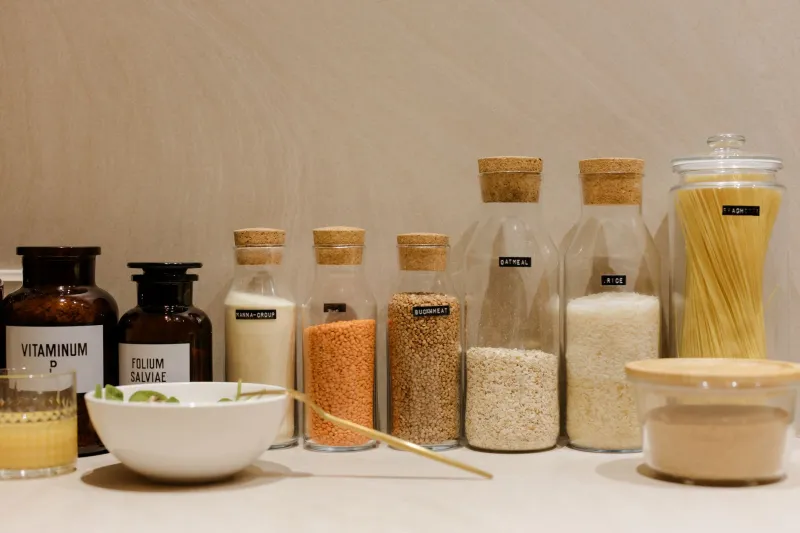
Here's where this gets practical. The goal is to stock your fridge and pantry with two or three options in each category at all times. Not twenty. Two or three.
Bases to rotate: brown rice, farro, pasta, roasted sweet potatoes, sautéed kale or spinach, canned or cooked lentils, quinoa
Sauces to keep on hand: tahini thinned with lemon juice and water, miso-ginger dressing, jarred salsa verde, store-bought pesto, Greek yogurt with harissa stirred in, soy-sesame glaze (soy sauce, sesame oil, rice vinegar, a little honey)
Toppings to prep once and use all week: quick-pickled red onions (five minutes, vinegar, salt, sugar), toasted pumpkin seeds or sunflower seeds, fresh cilantro or parsley, crumbled cheese, sliced avocado, a soft-boiled egg
With just those three lists, you have over 60 distinct dinner combinations. Sixty. From roughly 15 to 20 ingredients.
A Week in Practice
Let's say you spend about 30 minutes on Sunday doing the following: cook a pot of brown rice, roast a sheet pan of sweet potatoes and chickpeas, whisk together a tahini sauce and a miso dressing, quick-pickle some red onions, and boil a few eggs.
Monday: rice + roasted chickpeas + tahini sauce + pickled onions + fresh parsley. Done in six minutes.
Tuesday: You picked up a rotisserie chicken on the way home. Sweet potatoes + shredded chicken + miso dressing + a soft-boiled egg + sesame seeds. Eight minutes.
Wednesday: You're tired and the fridge looks sparse. Pasta + a fried egg + leftover tahini thinned out with a splash of pasta water + crumbled feta. Twelve minutes.
Notice that none of those meals feel like the same dinner. The base shifts, the sauce shifts, the topping shifts — and suddenly you're not eating "meal prep food." You're eating dinner.
The Mod Meals Mindset
This is what modern home cooking actually looks like in practice. Not elaborate Sunday prep sessions. Not the same sad grain bowl four nights running. Not Pinterest recipes that require 22 ingredients and a spice you'll use once.
It's a system. A repeatable, adaptable, genuinely flexible system that works whether you're cooking for one, feeding a family of four, or somewhere in between.
Start small. Pick one base, one sauce, and one topping this week. Make dinner. See how it feels to assemble rather than follow. By Friday, you might find yourself thinking less about what to cook — and more about which combination sounds good tonight.
That shift? That's the whole point.