Prep Like a Pro? Why That Advice Is Actually Working Against You

Photo by Photo by Vitaly Gariev on Unsplash on Unsplash
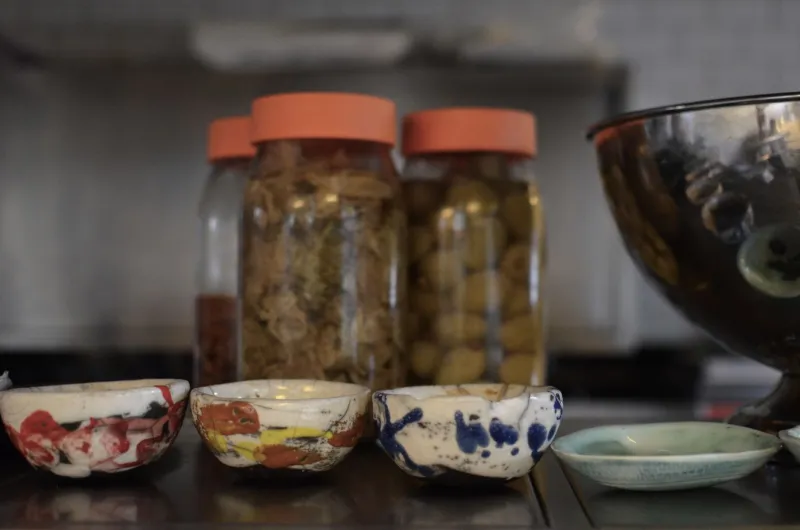
Somewhere along the way, home cooks got sold a fantasy. It goes like this: before you touch the stove, you should have everything chopped, measured, and arranged in little bowls — just like the chefs on TV. It looks organized. It looks calm. It looks like you have your life together.
It also looks like it takes about 45 minutes before dinner even starts.
The concept is called mise en place, a French phrase that roughly translates to "everything in its place." In a professional kitchen, it's not just a technique — it's a survival strategy. But here's the thing nobody tells you: the conditions that make mise en place essential in a restaurant are almost nothing like the conditions in your kitchen on a Tuesday night. Borrowing the whole system wholesale isn't efficient. For most home cooks, it's quietly making dinner harder.
What Mise en Place Actually Solves (In a Restaurant)
To understand why the advice breaks down at home, it helps to understand what problem it's actually solving in a professional setting.
In a restaurant kitchen, a cook might be responsible for firing 40 plates of the same dish in a two-hour dinner service. Timing is measured in seconds. There's no pausing to find the garlic press or chop a shallot mid-cook — that kind of interruption creates a bottleneck that backs up the entire line. So chefs prep everything before service starts, often spending four to six hours doing it.
The payoff makes sense: those four hours of prep enable two hours of nearly frictionless execution under extreme pressure.
Now compare that to your Wednesday night. You're making one dish, maybe two. You're not firing 40 plates simultaneously. You have time to chop an onion while the oil heats. The math is completely different, and applying the same solution to a different problem doesn't just fail to help — it actively eats into the limited time you actually have.
The Hidden Cost of Over-Prepping at Home
When you pre-chop and pre-measure everything before you start cooking, you're adding steps that don't need to exist. You're also creating more dishes — all those little prep bowls have to be washed. And if you're doing this kind of full-setup prep on a Sunday for the entire week, you're trading a chunk of your weekend for vegetables that will be marginally less fresh by Thursday.
There's also a psychological cost. The gap between "mise en place everything" and "just start cooking" can feel so wide that you skip cooking altogether and order takeout instead. The bar is too high, so you don't clear it.
Over-prepping can also make you a worse cook in a subtle way. A lot of flavor development happens in real time — adjusting heat, tasting as you go, adding something you didn't originally plan on. When you've pre-committed to every ingredient and measurement before you've even turned on the stove, you're less likely to improvise, and improvisation is where a lot of good cooking actually lives.
What Strategic Home Prep Actually Looks Like
None of this means prep is bad. It means prep should be selective. The goal isn't to eliminate prep — it's to front-load only the things that genuinely create friction during cooking, and let everything else happen naturally in the flow.
Here's a useful way to think about it:
Prep the things that can't wait. Meat that needs to marinate, dried beans that need to soak, dough that needs to rest — these have to happen ahead of time. That's not optional prep, it's sequencing.
Prep the things that slow you down mid-cook. If a recipe calls for mincing a full head of garlic and you know from experience that you'll rush it and burn the butter while you're still chopping, do the garlic ahead. But if you can mince two cloves in 30 seconds while something else heats up, just do it in the moment.
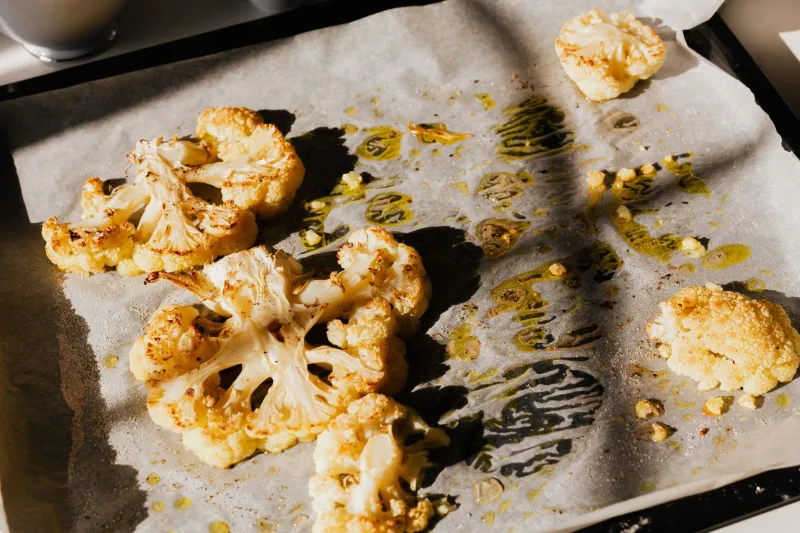
Batch the things that repeat across meals. This is where a little Sunday prep actually earns its keep. Washing and drying a full head of lettuce, cooking a pot of grains, or roasting a sheet pan of vegetables gives you building blocks that show up in multiple meals without requiring you to prep each dish from zero. That's leverage. Chopping one onion per recipe and storing it in a container for later is just extra work.
Leave the easy stuff alone. Measuring out a teaspoon of cumin before you need it is not saving you time. It's just creating a dirty spoon.
A Smarter Framework for Weeknight Cooking
Instead of thinking about prep as something you do all at once before cooking, think of it in three layers:
-
Pre-cook prep (done ahead): Anything time-sensitive or high-effort that genuinely benefits from advance work. Marinating proteins, soaking grains, making sauces that keep well, batch-cooking staples.
-
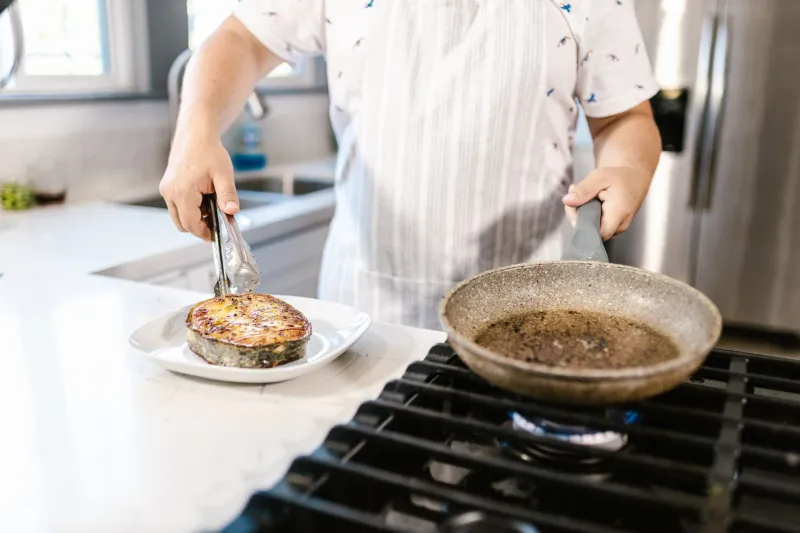
Active prep (done while cooking): Chopping vegetables while something sweats in the pan, measuring spices while water comes to a boil. This kind of parallel tasking is how experienced home cooks actually move fast — not by front-loading everything, but by using dead time in the cooking process itself.
-
Skip-it prep: The stuff that adds steps without adding value. Pre-measuring liquids, setting out every ingredient before you start, portioning things that can just be added straight from the container.
The more you cook, the better you get at identifying which tasks fall into each category for your specific recipes and your specific kitchen.
The Real Skill Isn't Prep — It's Reading Your Recipe First
If there's one habit that actually does translate from professional cooking to home cooking, it's this: read the whole recipe before you start. Not skimming — actually reading it. Knowing that you'll need to add cold butter in the last two minutes, or that the sauce needs to reduce for ten minutes before the protein goes in, lets you sequence your moves without having to prep everything upfront.
That kind of mental prep costs you nothing except two minutes of reading time. And it does more for your cooking than 45 minutes of chopping vegetables into individual bowls ever will.
The best weeknight cooks aren't the ones who prep the most. They're the ones who know exactly what's worth prepping — and have stopped wasting time on everything else.