Your Recipe Collection Is a Fantasy Library—Here's How to Make It Real
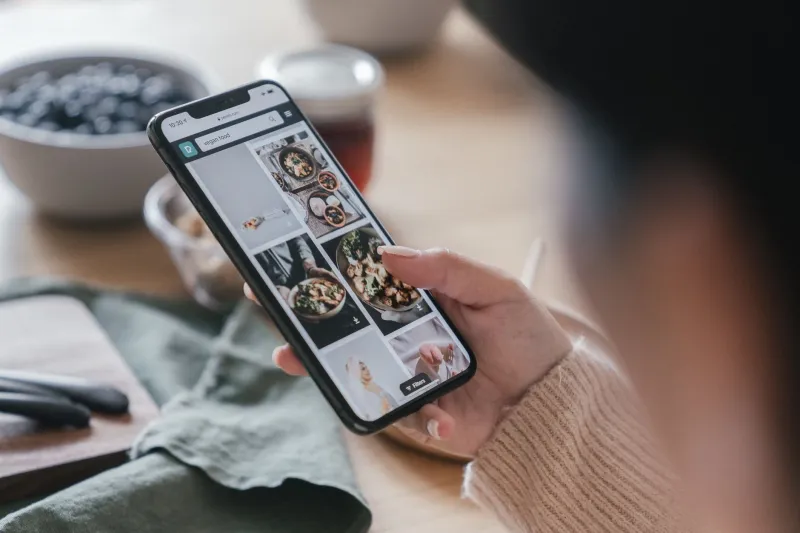
Somewhere in your phone, your browser bookmarks, or that dog-eared stack of magazines on the kitchen counter, there's a graveyard. It's full of shakshuka recipes you saved on a lazy Sunday, elaborate grain bowls you bookmarked during a health kick, and that one braised short rib dish you fully intended to make for a dinner party that never happened.
You are not alone. The average home cook in the US has saved dozens—sometimes hundreds—of recipes they have never once attempted. And the number keeps growing every time a food video autoplay catches you at 11pm.
The real issue isn't that you're disorganized or lazy. It's that saving a recipe and cooking a recipe are two completely different decisions, and most of us treat them like they're the same thing.
Why We Save Recipes We'll Never Cook
Recipe saving is a form of optimism. You're not just bookmarking a dish—you're bookmarking a version of yourself who has a free Saturday afternoon, a stocked pantry, and zero energy debt from the workweek. That's a lovely fantasy. It's just not Tuesday night reality.
There's also a psychological phenomenon at play here called the "intention-action gap." Research on behavior change consistently shows that people dramatically overestimate how often they'll follow through on future plans, especially ones that require effort. Saving a recipe feels like progress. It scratches the planning itch without requiring you to actually do anything.
Add to that the sheer volume of food content being produced right now. Food creators on TikTok, Instagram, and YouTube are optimized to make every recipe look achievable and exciting in under 60 seconds. What they're not showing you: the mise en place, the specialty ingredients, the equipment, or the reality of making this after a nine-hour workday.
The Honest Audit Nobody Wants to Do
If you want a recipe collection that actually works for your life, you have to get brutally honest about three things: your real skill level, your actual kitchen setup, and your genuine cooking windows.
Skill level: Not where you want to be—where you are. If you've never broken down a whole chicken, recipes that start with "butcher a 3-pound bird" are not for you right now. That doesn't mean they can never be. It means they don't belong in your active rotation today.
Equipment: A recipe that requires a Dutch oven, a mandoline, and a stand mixer is a different recipe than one that needs a skillet and a sheet pan. Go through your saved recipes and ask: do I actually own what this requires? A lot of aspirational recipe saving is also aspirational equipment ownership in disguise.
Cooking windows: Be real about when you cook. If you have 35 minutes on weeknights and maybe 90 minutes on Sunday, those are your parameters. A recipe that takes two and a half hours of active cooking is a weekend project, and only if you actually cook on weekends. Saving it for "someday" isn't a plan.
How to Prune Without Guilt
Delete things. Yes, really. There is no reward for hoarding recipes you'll never make. A collection of 400 saved dishes is not more valuable than a curated list of 30—it's just louder and harder to navigate.
Here's a simple filter to run every saved recipe through:
- Would I actually eat this? Not "would I eat this if I were a different person with different preferences." Would you, specifically, eat this on a normal week?
- Can I make this with what I own and what I know? One or two new techniques is fine. Requiring five things you've never done is not a weeknight recipe.
- Have I made something like this before? If yes, you probably have a sense of whether it fits your flow. If no, is it close enough to something familiar that you'd actually try it?
Anything that doesn't pass all three gets cut. Not archived. Not moved to a "someday" folder. Gone.
Building a Collection That Actually Gets Used
Once you've cleared the clutter, you can build something functional. The goal isn't a small collection—it's a usable one. Think of it less like a recipe archive and more like a rotating menu.
Aim for roughly 15 to 20 weeknight-ready recipes across different proteins, cuisines, and cooking methods. These are your workhorses—dishes you can execute without much thought, that your household reliably enjoys, and that you can rotate without feeling like you're eating the same thing every week.
Beyond that core, keep a smaller list of "stretch" recipes—maybe 8 to 10—that you want to try or that you make occasionally for weekend cooking when you have more time and energy. These can be more complex, more interesting, more ambitious. But they live in a separate mental category from your weeknight toolkit.
New recipes you come across? Before saving, ask yourself: is this replacing something in my rotation, or am I just collecting again? If it's the latter, let it go.
Give Every New Recipe a Trial Run Window
One practical habit that separates cooks who actually use their collections from those who just grow them: the trial run commitment. When you add a new recipe to your active list, schedule it within two weeks. Not "sometime soon"—an actual day.
If you make it and love it, it earns its spot. If you make it and it's fine but forgettable, it doesn't need to stay. If you keep pushing it back past the two-week window, delete it. The fact that you keep avoiding it is data.
This approach also gives you permission to remove recipes that used to work but don't anymore. Tastes change. Household needs shift. A recipe you loved three years ago when you had more weekend time might not fit your life right now, and that's okay.
A Smaller Collection Is a Better Collection
There's a reason professional cooks talk about "the repertoire"—a set of dishes they know deeply, can execute reliably, and can riff on without thinking too hard. That's what you're building when you prune your collection down to what's real.
Variety doesn't come from having 300 saved recipes. It comes from having 20 solid ones and knowing them well enough to swap proteins, change a sauce, or adjust the seasoning based on what's in your fridge. That's actual cooking flexibility. The fantasy library just looks like flexibility while quietly stressing you out every time you open it.
Start with the delete button. Build from what's honest. Cook the things you actually save.