Salt Early, Salt Late, Salt Right: How Timing Your Seasoning Changes Everything
Here's a question worth sitting with for a second: when you season your food, are you actually thinking about it? Or are you just reaching for the salt at the start of cooking because that's what the recipe said to do?
For most of us, it's the latter. We dump salt in early, maybe shake a little more on at the table, and call it a day. And then we wonder why the food tastes kind of... fine. Not bad. Just not there.
The truth is, salt timing isn't a small detail — it's one of the biggest levers you have in the kitchen. When you add seasoning matters almost as much as how much you use. Different moments in the cooking process do completely different things to your food, and once you understand that, you'll never salt on autopilot again.
What Salt Is Actually Doing to Your Food
Before we get into timing, a quick reset on what's happening at the molecular level — because it's actually pretty interesting and it'll make the rest of this click.
Salt doesn't just add a salty flavor. It draws out moisture (through osmosis), breaks down proteins, and enhances your perception of every other flavor in the dish. It suppresses bitterness, boosts sweetness, and rounds out sharpness. It's less of an ingredient and more of an amplifier.
But here's the thing: those effects play out differently depending on when you introduce salt to the equation. Early salt has time to penetrate and restructure. Late salt sits on the surface and hits your tongue immediately. Both are useful — but for completely different reasons.
The Case for Salting Early (And We Mean Early)
If you're seasoning proteins — chicken thighs, a pork tenderloin, a steak — salting them well ahead of cooking time is one of the best moves you can make. We're talking anywhere from 30 minutes to overnight in the fridge.
When salt sits on meat, it initially draws liquid to the surface. But given enough time, that liquid (now salty) gets reabsorbed back into the muscle fibers. The result is meat that's seasoned all the way through, not just on the outside. You also get a drier surface, which means better browning when it hits a hot pan.
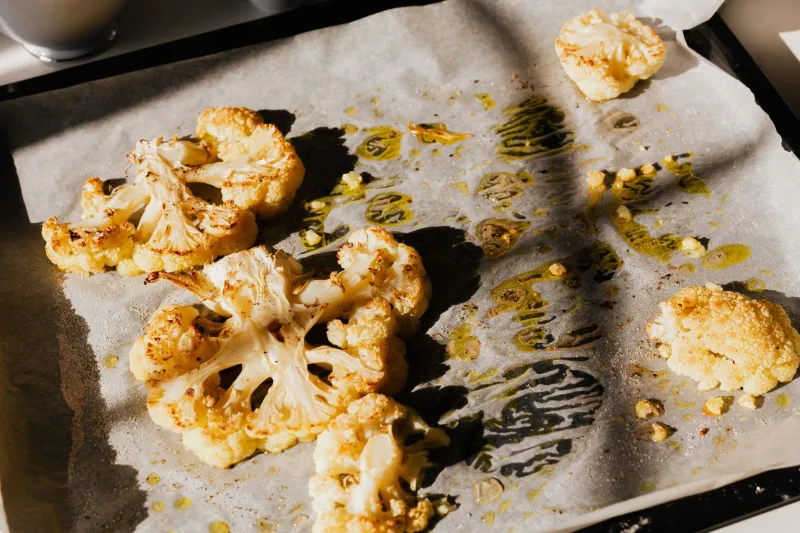
The same logic applies to vegetables you're planning to roast. Tossing broccoli or zucchini with salt before it goes in the oven helps draw out excess moisture so you get caramelization instead of steaming. Nobody wanted soggy sheet pan vegetables. Nobody.
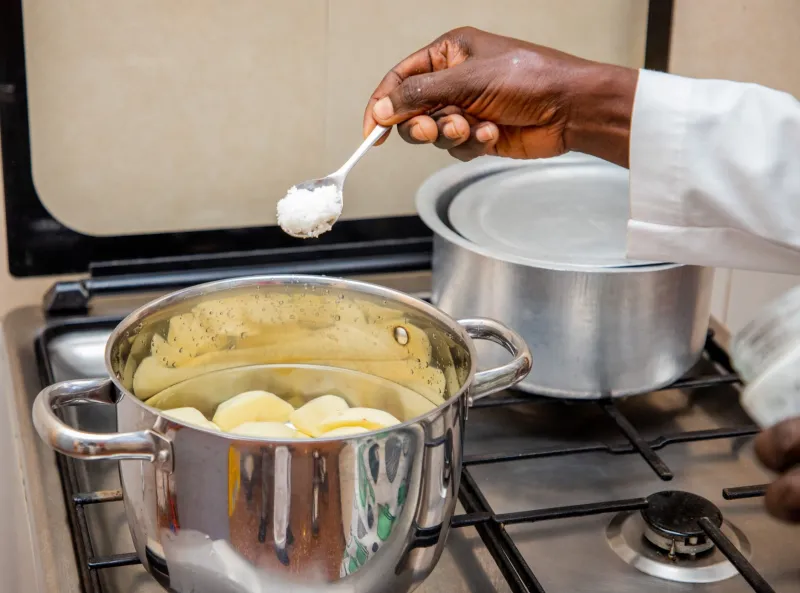
For pasta water, beans, and grains, salting early is also the move — these foods absorb liquid as they cook, and if that liquid is seasoned, the flavor goes all the way in rather than just coating the outside.
Why Mid-Cook Seasoning Is Criminally Underrated
This is where a lot of home cooks leave serious flavor on the table. Building a sauce? Season as you go. Sautéing aromatics — onions, garlic, shallots — before adding other ingredients? Hit them with a pinch of salt as soon as they go in the pan. It accelerates their breakdown and develops more complex flavor compounds early in the process.
The same goes for soups and braises. Tasting and adjusting seasoning throughout the cooking process isn't fussiness — it's how you actually control the outcome. Flavors concentrate as liquid evaporates, which means a broth that tasted perfectly seasoned 20 minutes ago might be flat or over-salted by the time it reduces. You have to keep checking.
Layering in acid mid-cook — a squeeze of lemon, a splash of vinegar — also works hand-in-hand with salt. Acid brightens flavors the same way salt does, and adding both at the right moment rather than all at once gives you more control over the final balance.
The Finishing Salt Moment (And Why It's Not Optional)
Okay, so you salted early, you seasoned as you cooked — are you done? Not quite.
Finishing salt is a different tool entirely. A flaky salt like Maldon or a coarse fleur de sel added right before you serve isn't just about saltiness. It's about texture and that immediate hit of flavor that registers the moment something touches your tongue. It wakes up the whole dish.
This is especially valuable on proteins, roasted vegetables, avocado toast, eggs — anything where you want a little crunch and a burst of seasoning on the surface. It also matters because by the time food gets to the table, some of that early seasoning has fully integrated into the dish and the top-note brightness can fade. Finishing salt brings it back.
The key distinction: finishing salt is about the experience of eating, not the cooking itself. You're not building flavor depth here — you're putting the final signature on the dish.
When to Hold Back
Not every moment is a salting moment, and that's worth saying out loud.
If you're cooking with already-salty ingredients — canned beans, soy sauce, miso, fish sauce, cured meats — you need to account for that salt load before you add more. Taste first, always. Adding salt on top of ingredients that are already doing the heavy lifting is one of the fastest ways to wreck an otherwise solid dish.
Also worth noting: don't salt acidic things like tomatoes too early if you want them to hold their shape. The salt will break them down fast. If you're making a fresh salsa or a quick tomato salad, season close to serving time.
A Simple Framework to Take Into Your Week
You don't need to memorize a chart. Just start thinking about seasoning in three distinct windows:
Before cooking: Salt proteins and vegetables early when you want flavor to penetrate and moisture to redistribute. This is your foundation.
During cooking: Season in stages as you build the dish. Taste regularly. Adjust as flavors concentrate and develop. This is where complexity comes from.
At the table: Finish with a quality flaky salt for texture and that immediate flavor pop. This is your signature.
Think of it less like a checklist and more like a conversation you're having with the food throughout the process. The goal isn't to follow a rigid formula — it's to be present enough to notice what the dish needs and when it needs it.
Once you start cooking this way, you'll realize that most "bland" food isn't actually under-salted. It's just under-timed. And that's a completely fixable problem.