What Food Blogs Assume About Your Grocery Store (And Why That's Killing Your Recipes)
You did everything right. You read the recipe twice, prepped your mise en place, and followed each step without skipping a thing. And still—the dish came out flat, or weirdly textured, or just not quite like the photo. Frustrating, right?
Here's a thought: maybe the recipe didn't fail you. Maybe the grocery store did.
Not in a dramatic way. Nobody's out to get you. But there's a quiet, persistent gap between the ingredient world food bloggers and cookbook authors inhabit and the one the rest of us navigate every Tuesday evening at a regional chain supermarket. That gap is responsible for more cooking disappointments than most people realize—and once you start seeing it, you can't unsee it.
The Ingredient Assumption Problem
Food content creators, almost by definition, have access to excellent ingredients. They live in food-forward cities, shop at specialty grocers, have PR contacts who send them products, and test recipes with the best possible version of every component. When a recipe calls for "good-quality canned tomatoes," they mean a specific kind of good. When they say "fresh mozzarella," they're probably not thinking about the pre-sliced stuff floating in a sad little tub on a bottom shelf.
None of that is malicious. It's just a context mismatch—and it compounds quickly. A recipe that assumes access to dry-packed sun-dried tomatoes, high-fat European-style butter, and aged Parmigiano-Reggiano is going to taste noticeably different when you build it from oil-packed tomatoes, standard salted butter, and a green shaker of pre-grated cheese. Each swap on its own might be fine. All three together? The dish drifts.
The fix isn't to chase down every specialty ingredient. It's to understand which substitutions actually matter and which ones don't.
Not All Substitutions Are Created Equal
This is the part most recipe sites skip over, and it's the most useful thing you can know as a home cook.
Some ingredients are load-bearing. Swap them, and the whole dish changes. Others are essentially decorative—they contribute flavor or texture, but the recipe will hold up just fine with a reasonable alternative.
Load-bearing ingredients tend to fall into a few categories:
- Acids: The difference between fresh lemon juice and bottled is enormous in bright, citrus-forward dishes. The bottled stuff is more muted and sometimes has a faint metallic note. In a sauce where acid is the point, this matters.
- Fats: Butter, olive oil, and neutral oils behave differently and taste different. In baking especially, fat type affects texture in ways that can't be corrected after the fact.
- Proteins: A thin chicken breast and a thick one cook at different rates. "Ground beef" covers a massive range of fat percentages. "Shrimp" doesn't tell you if it's been previously frozen and treated with sodium tripolyphosphate, which affects browning significantly.
- Aromatics at the base: Fresh garlic versus jarred minced garlic, fresh ginger versus ground—these are different ingredients, not just different forms of the same ingredient.
Low-stakes substitutions, on the other hand, are more forgiving:
- Swapping one fresh herb for another in a finishing garnish
- Using chicken thighs instead of breasts in a braised or sauced dish
- Replacing one mild white fish with another
- Using any neutral oil in a stir-fry
Once you start mentally sorting ingredients into these two buckets as you read a recipe, your instincts sharpen fast.
Learn Your Store Like a Neighborhood
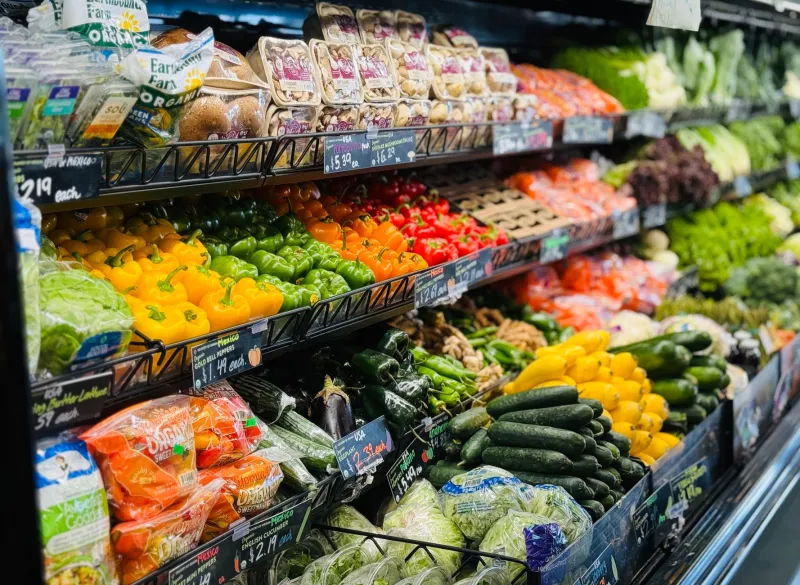
Every grocery store has its own personality, and shopping there effectively means understanding it—not just accepting it. Your local store might have a surprisingly good seafood counter but a mediocre produce section. It might carry three kinds of miso but no fresh lemongrass. It might stock only one brand of canned fish, and that brand might be excellent or it might be forgettable.
This is worth paying attention to over time. When you find something that punches above its weight—a store-brand coconut milk that's rich and creamy, a house-brand pasta sauce that's actually good—that's a win. Note it. Build around it.
When your store consistently lets you down in a specific category, stop fighting it. If fresh herbs always look sad and wilted by the time you shop, pivot to high-quality dried herbs for everyday cooking and treat fresh herbs as a special-occasion purchase when you're shopping at a farmers market or specialty store.
This isn't lowering your standards. It's cooking smart within your actual reality instead of someone else's idealized version of it.
The Freshness Variable Nobody Talks About
One of the least-discussed factors in recipe success is ingredient age—not expiration dates, but actual freshness relative to when the ingredient was at its best.
Spices are a perfect example. Ground spices lose potency fast, and most home cooks are working with spices that are anywhere from six months to three years old. A recipe that calls for a teaspoon of cumin was written with fresh, fragrant cumin in mind. If yours has been sitting in the cabinet since the last administration, you might need twice as much to get the same effect—or you might just get a dusty, muted version of the intended flavor.
Produce quality varies wildly by season, by supplier, and by how long it's been in transit. A recipe developed with peak-summer tomatoes is going to taste different in January with pale, mealy hothouse tomatoes. That's not a failure of the recipe or of you—it's just seasonality, and the fix is either to wait for the right season or to lean into a different preparation (roasting, for example, concentrates flavor in ways that can rescue a mediocre tomato).
Build a Flexible Framework, Not a Rigid Shopping List
The most practical shift you can make is moving away from strict recipe-to-shopping-list thinking and toward a more flexible framework. Instead of "I need these exact six ingredients," try "I need a protein, an acid, a fat, an aromatic, something starchy, and something green." Then fill those roles with the best versions of those things your store has to offer that day.
This is how experienced cooks shop, and it's why they can walk through a store and improvise a solid dinner while you're standing in the aisle, stressed because they're out of the exact pasta shape the recipe specified.
That's not to say recipes aren't useful—they absolutely are, especially when you're learning a technique or building a new flavor profile. But treat them as a framework with some flexibility built in, not a contract that requires perfect execution of every line item.
Your store is what it is. Your pantry is what it is. The sooner your cooking adapts to that reality, the more consistently good your dinners are going to be—no specialty grocery run required.