The Freshness Map: Finally Know What's Still Good in Your Kitchen
Here's a scenario that happens in nearly every household at least once a week: you're standing in your kitchen, can of coconut milk in one hand, phone in the other, Googling "is this still okay to use" because the best-by date was three weeks ago. You spend four minutes reading conflicting answers, eventually just toss it, and go back to square one.
That's not a food safety system. That's anxiety with a recycling bin.
The truth is, most of us have been trained to treat manufacturer-printed dates as hard expiration points when they're actually something much softer—quality benchmarks, liability hedges, and marketing tools rolled into one number. The FDA doesn't even regulate "best by" or "sell by" dates on most products. Only infant formula has a federally mandated expiration date. Everything else? That's the manufacturer's best guess at peak quality, not a safety cliff.
So let's build something more useful: a real map of what's actually still good, organized by where it lives in your kitchen.
What Those Dates Actually Mean
Before we get into timelines, a quick vocabulary lesson that'll save you a lot of confusion.
Sell by is a retailer instruction, not a consumer one. It tells the store when to pull the product from the shelf. Food is typically still good for days to weeks after this date depending on the item.
Best by / Best if used by refers to peak quality—flavor, texture, color. It doesn't mean the food becomes unsafe the next morning. A bag of pasta marked "best by" six months ago is still perfectly edible. It might cook slightly unevenly or taste marginally duller. It won't send you to urgent care.
Use by is the closest thing to a real deadline, and it's most commonly found on fresh proteins and some dairy. This one deserves more respect than the others.
With that in mind, here's your actual guide.
Pantry Staples: Way More Forgiving Than You Think
Dry goods are where people waste the most money throwing away perfectly usable food. Your pantry is essentially a low-humidity, dark environment—which is exactly what most shelf-stable items need to last.
Grains and pasta (white rice, pasta, oats, quinoa): 1–2 years past the printed date, stored in airtight containers. Brown rice is shorter—about 6 months—because of its natural oils.
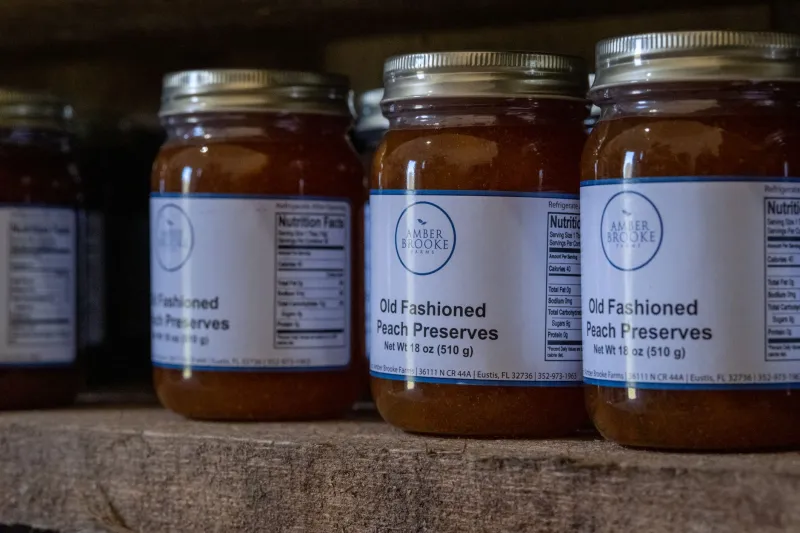
Canned goods (beans, tomatoes, broth, coconut milk, tuna): 2–5 years in most cases. The date on the can is about quality degradation, not safety. If it's not bulging, not rusted through, and doesn't smell wrong when opened, it's fine. High-acid canned goods like tomatoes and citrus-based items fall closer to the 18-month range for best flavor.
Dried spices: Technically safe indefinitely, but flavor fades. Ground spices lose potency after about 1–2 years. Whole spices hold up to 3–4 years. The test: rub a pinch between your fingers. If it barely smells like anything, it's time to replace it.
Oils: Depends heavily on the oil. Refined oils (vegetable, canola) last about 1–2 years unopened. Extra-virgin olive oil is best within 18 months of pressing, not the date you bought it. Smell it—rancid oil has a crayon-like or waxy odor you can't miss.
Vinegars and condiments: Most vinegars last indefinitely due to their acidity. Soy sauce, fish sauce, and Worcestershire keep for 2–3 years. Hot sauces hold well for 3–5 years if stored properly.
Refrigerator Goods: The Zone Where Timing Actually Matters
Your fridge is where food safety becomes a real conversation. Temperature matters here—your fridge should stay at or below 40°F.
Raw chicken and ground meat: 1–2 days from purchase. This is the one category where the use-by date earns its authority. If you're not cooking it, freeze it.
Whole cuts of beef, pork, and lamb: 3–5 days refrigerated. Steaks and chops are more forgiving than ground because the surface area exposed to bacteria is much smaller.
Deli meats: 3–5 days after opening for packaged varieties. Fresh-cut deli meat from the counter is best within 3 days.
Eggs: Here's a big one—eggs are good 3–5 weeks past the carton date in the US, not the date itself. The float test is real: a fresh egg sinks and lays flat. An older but still safe egg stands upright. A floating egg? That one's done.
Hard cheeses: 3–4 weeks after opening, sometimes longer. Mold on hard cheese like cheddar or parmesan can be cut off with a 1-inch margin and the rest is fine. Soft cheeses like ricotta or brie? Mold means toss.
Leftovers: 3–4 days, full stop. The problem isn't usually spoilage—it's that most people make too much and then lose track. Label containers with the date you made them.
Freezer Items: The Real Long Game
Your freezer is essentially a pause button, not a permanent preservation vault. Quality degrades even at 0°F, it just does it very slowly.
Raw chicken pieces: Best within 9 months. Whole chicken can hold up to a year.
Ground meat: 3–4 months for best quality. Still safe beyond that, but texture suffers.
Cooked leftovers and soups: 2–3 months. Beyond that, freezer burn and flavor loss become real issues.
Bread and baked goods: 2–3 months before they start tasting like your freezer smells.
Vegetables (store-bought frozen): 8–12 months. Blanched vegetables you freeze yourself hold about 8 months.
Fish and seafood: Lean fish like cod or tilapia keeps well for 6 months. Fatty fish like salmon is best within 2–3 months due to higher oil content.
A Practical System You'll Actually Use
Knowing the timelines is only half the equation. Here's how to make them work in a real kitchen:
Date everything you open. A piece of masking tape and a marker on every container you open changes the whole game. No more mystery jars.
First in, first out—always. When you unpack groceries, move older items to the front. It sounds obvious until you find a can of chickpeas from 2021 hiding behind a newer one.
Do a weekly fridge scan. Sunday night or Monday morning, take 60 seconds to look at what's in the fridge and make a mental note of what needs to get used first. Let that guide your first two dinners of the week.
Use the smell-and-look test. For most foods, your senses are a reliable guide. Off odors, unusual textures, unexpected color changes—trust them. This isn't a substitute for real food safety awareness, but it's a solid first filter.
📋 Download the Mod Meals Freshness Reference Chart — a one-page printable organized by pantry, fridge, and freezer with realistic timelines for over 40 common ingredients. Stick it inside a cabinet door and end the guessing for good.
The goal isn't to take risks with food safety. It's to stop treating every printed date like a countdown to disaster. Most of your kitchen is more resilient than the packaging suggests—and knowing the difference is how you stop wasting good food and start cooking with confidence.