One Ingredient, Three Ways: The Pro Trick for Deeper Flavor Without a Longer Grocery List
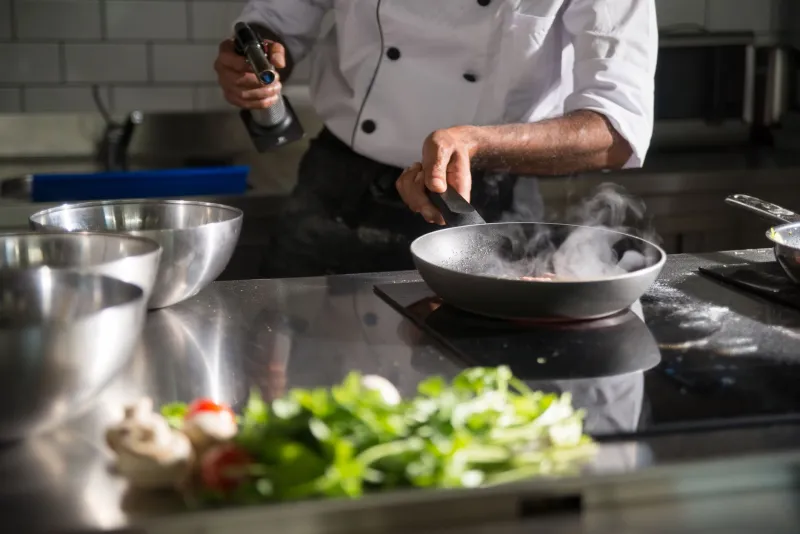
If you've ever tasted a restaurant dish and thought "I don't even know what's in this but it's incredible," the answer is probably simpler than you think. It's not a secret ingredient. It's not a technique that requires culinary school. Most of the time, it comes down to one principle that professional cooks apply almost instinctively: use the same ingredient more than once, in more than one form.
Chefs call it flavor layering. And once you understand how it works, you'll start seeing it everywhere—and using it in your own kitchen without adding a single item to your grocery list.
Why Home Cooking Often Tastes Flat
Most home recipes are built around a single expression of each ingredient. Garlic goes in at the beginning. Tomatoes go in when directed. Lemon juice gets squeezed over the top at the end. Each component does its job once, in one way, and the result is a dish where you can taste each element individually but they never quite fuse into something greater.
Restaurant cooking works differently. A good chef might use garlic in three distinct ways in the same dish: raw in a marinade for sharpness, sautéed early in the fat for depth, and as a finishing microplane grate for brightness. The diner doesn't taste "three garlics"—they taste a dish with remarkable depth that they can't quite explain.
That's the magic of layering, and it's entirely achievable at home once you know what you're doing.
The Core Principle: Same Ingredient, Different Transformation
Every time you apply heat, acid, fat, or time to an ingredient, you change its chemical makeup and the flavor compounds it releases. A raw onion is sharp and pungent. A slowly caramelized onion is sweet and almost jammy. A charred onion edge is smoky and bitter. These are not the same flavor—they're three distinct contributions that, used together, create complexity that no single preparation could achieve.
The layering principle is simply this: identify a key ingredient in your dish and find two or three ways to use it at different stages or in different forms.
You're not adding more groceries. You're getting more out of what you already have.
Practical Examples You Can Use Tonight
Tomatoes in a pasta sauce
Most people add canned tomatoes to a sauce and let it cook down. That works. But try this instead: start with a spoonful of tomato paste in the pan before the canned tomatoes go in. Let it cook directly in the oil for 60–90 seconds until it darkens slightly and smells almost nutty. Then add your canned tomatoes on top.
What happened? The paste went through a Maillard reaction—a browning process that converts its sugars and amino acids into dozens of new flavor compounds. When the canned tomatoes hit the pan, they pick up all of that complexity. Your sauce now has three layers of tomato: the concentrated sweetness of the paste, the brightness of the canned tomatoes, and the underlying roasted depth from the browning. Same ingredient. Completely different result.
Ginger in a stir-fry
Ginger added to hot oil early in cooking becomes mellow and warm—it infuses the fat and softens considerably. Ginger added at the very end of cooking, or used fresh as a garnish, is sharp, bright, and almost citrusy. Use both in the same dish and you get warmth and lift. It makes the dish taste finished in a way that single-stage ginger never quite achieves.
Onion in a soup or braise
Sweat your diced onions low and slow until they're completely soft and starting to turn golden—this builds sweetness and body. But also add a halved onion, cut-side down, to the pan and let it char before adding your liquid. That charred face releases bitter, smoky compounds that counterbalance the sweetness and add a roasted quality that makes the broth taste like it's been cooking for hours longer than it has.
The Acid Layer: Often the Most Overlooked
Acid is where a lot of home cooks leave serious flavor on the table. Most recipes call for a squeeze of lemon or a splash of vinegar at the end—and that's genuinely useful. But acid used at multiple points in cooking does something more interesting.
Early acid (a splash of white wine or sherry vinegar added after sautéing aromatics) deglazes the pan and adds brightness to the base. Late acid (a fresh squeeze of lemon or a drizzle of good vinegar right before serving) lifts the finished dish and makes the other flavors pop. They're doing different jobs, and using both means your dish has dimension from front to back—it opens bright and finishes bright, with depth in between.
The same logic applies to citrus zest versus citrus juice. Zest contains the essential oils from the peel—more aromatic, more floral. Juice is tart and wet. Add zest to your cooking and juice at the finish, and you're using one fruit to create two entirely different flavor effects.
Heat and Fat: Building the Foundation Right
One of the most reliable places to start layering is at the very beginning of a recipe, in the fat. This is where professional kitchens invest serious attention that home cooks often skip.
When you add aromatics—garlic, onion, shallots, spices—to warm fat at the start of a dish, you're blooming them. The fat extracts and distributes fat-soluble flavor compounds throughout the entire dish. But the timing and temperature of this step matters enormously.
Spices added to cold oil don't bloom properly. Garlic added to screaming-hot oil burns before it can mellow. The sweet spot is medium heat, fat already warm, aromatics going in and cooking until fragrant—usually 60 seconds to 2 minutes depending on what you're using. That's when the layering foundation is strongest.
From that base, every subsequent ingredient you add is building on a more complex platform.
A Simple Framework to Start With
You don't need to overhaul your entire cooking approach. Start with one ingredient per dish and ask yourself: can I use this in two different ways, at two different stages?
- If you're using lemon, use both zest and juice—zest early, juice at the end.
- If you're using garlic, sauté some at the start and microplane a tiny bit raw into the finished dish.
- If you're using tomato, start with paste and finish with fresh or canned.
- If you're using onion, cook some down for sweetness and char a piece for depth.
None of this requires a longer grocery list. None of it requires advanced technique. It just requires thinking about your key ingredients as having more than one expression—and taking the extra minute to use them that way.
That's the whole secret. And now it's yours.