Stop Buying Vegetables You'll Never Actually Cook
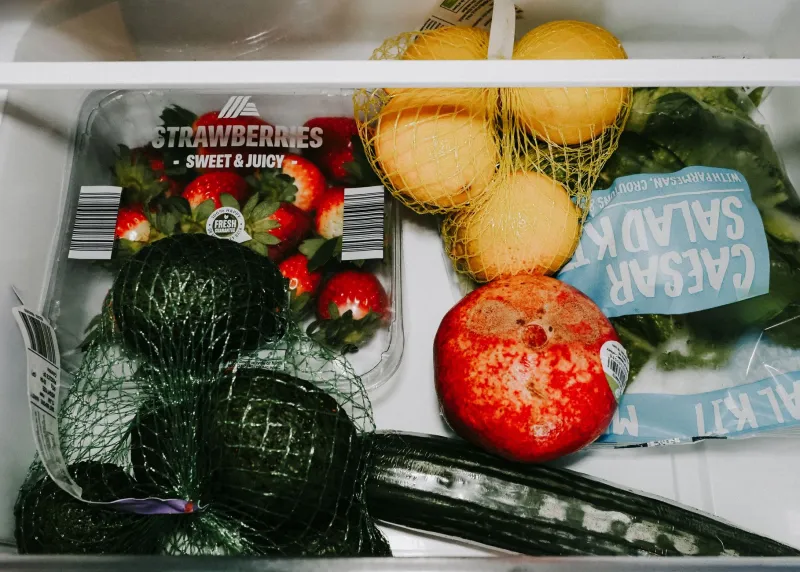
There's a specific kind of disappointment that hits when you open your crisper drawer on a Thursday night and find a bag of wilted kale, half a bulb of fennel you optimistically bought two weeks ago, and some broccolini that's turned an unfortunate shade of yellow. You had plans. Good plans. They just didn't survive contact with actual weeknight life.
This isn't a discipline problem. It's a planning mismatch—and it happens to almost everyone who grocery shops with ambition but cooks under time pressure.
The Real Cost of the Produce Drawer Graveyard
Americans throw away roughly 30 to 40 percent of the food they buy, and fresh produce makes up a significant chunk of that waste. Beyond the environmental impact, there's a very real financial one: if you're spending $8 on a bunch of rainbow chard that ends up in the trash, you're not saving money by eating at home—you're just paying a guilt tax.
But the bigger issue for busy households is the mental load. Every time you open that drawer and see something dying, it's a small reminder that your week didn't go as planned. That accumulates. And it often leads people to either give up on buying vegetables altogether or keep repeating the same cycle, hoping this week will be different.
It doesn't have to be this way.
Know Your Cooking Personality Before You Shop
The most useful thing you can do before you even set foot in a grocery store is get honest about how you actually cook—not how you want to cook, or how you cooked that one weekend when you had extra time and energy.
Ask yourself a few questions. On a typical weeknight, how much active cooking time do you realistically have? Do you prep ingredients in advance, or do you cook start-to-finish when you get home? Do you follow recipes closely, or do you throw things together based on what's available?
Your answers will tell you a lot about which vegetables belong in your life.
If you cook in 20 to 30 minutes on weeknights: You need vegetables that are fast, forgiving, and flexible. Think cherry tomatoes, baby spinach, pre-cut broccoli florets, frozen edamame, canned fire-roasted tomatoes, shredded cabbage from a bag, and zucchini. These cook quickly, require minimal prep, and play nicely with a wide range of proteins and sauces.
If you batch cook on weekends: You can handle more ambitious produce. Whole heads of cauliflower, delicata squash, beets, and large bundles of hearty greens all hold up well when roasted in bulk and reheated throughout the week. The key is actually scheduling that cook time—not just assuming it'll happen.
If you rarely follow a plan: Stick almost entirely to versatile vegetables that work in multiple contexts without a specific recipe. Bell peppers, onions, garlic, carrots, celery, and frozen corn are nearly impossible to waste because they slot into soups, stir-fries, eggs, tacos, grain bowls, and pasta without much thought.
The Problem Vegetables (And Why They Keep Ending Up in Your Cart)
Certain vegetables are disproportionately responsible for produce drawer casualties. They tend to be photogenic, heavily featured in food media, and associated with aspirational healthy eating—but they require either more skill, more time, or a very specific recipe to use well.
Fennel is delicious but niche. Unless you have a specific recipe that uses the whole bulb, half of it will sit in your fridge until it dries out. Same goes for celeriac, kohlrabi, and leeks—all wonderful ingredients, all likely to linger if you don't have a concrete plan.
Fresh herbs in large bunches are another common offender. Buying a full bunch of fresh tarragon for a recipe that uses two tablespoons is a fast track to waste. Unless you cook with fresh herbs daily, opt for smaller quantities or keep a few hardy ones (like rosemary and thyme) as potted plants on a windowsill.
Delicate leafy greens—arugula, watercress, butter lettuce—wilt fast and have a short window of usefulness. If you're not eating salads multiple times a week, these don't belong in your regular rotation.
Where to Redirect Your Grocery Store Attention
Here's a shift that makes a real difference: spend less time in the fresh produce section and more time in the frozen vegetable aisle.
Frozen vegetables are picked and flash-frozen at peak ripeness, which means their nutritional value is often comparable to—or better than—fresh produce that's been sitting in transit and on store shelves for days. Frozen peas, corn, edamame, broccoli, spinach, butternut squash cubes, and stir-fry blends are pantry workhorses. They don't expire on your schedule. They cook fast. They're typically cheaper.
This isn't a compromise—it's a smarter use of resources.
For fresh produce, keep your list short and specific. Buy what you have a concrete plan for, plus one or two versatile items (onions, garlic, a bag of slaw mix) that you know will get used regardless of how the week unfolds.
A Simple Rule for the Cart
Before any fresh vegetable goes into your cart, run it through this quick mental check: Do I know specifically when I'm going to cook this, and do I know exactly what I'm making with it?
If the answer is vague—"I'll probably throw it in something"—leave it on the shelf unless it's one of your proven versatile standbys. Specificity is the difference between a vegetable that gets used and one that becomes a $4 science experiment in your crisper drawer.
Eating more vegetables doesn't require buying more vegetables. It requires buying the right ones for the way you actually live.